
Mindful Travel: How to Be Present Without Overplanning


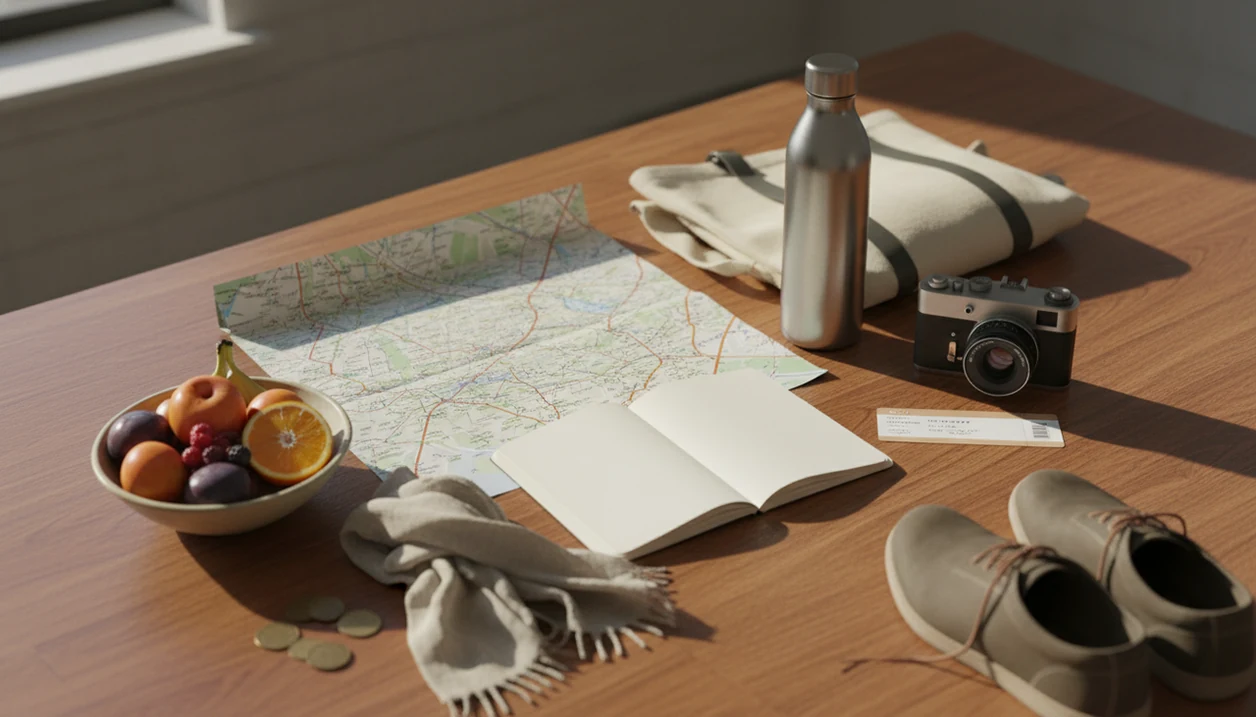
Mindful travel means paying attention to your experience and making choices that respect local people, culture, and the environment. A mindful traveler combines present-moment awareness with practical efforts to reduce harm, from leaving space between activities to considering where their money goes. The aim is not constant calm or flawless sustainability. It is greater awareness before, during, and after a trip.
Start with fewer bookings, some knowledge of local customs, and room to notice where you are. Three-breath pauses, mindful walking, and phone-free meals can fit into ordinary travel days without becoming another schedule to follow. Spend locally and choose lower-impact transport when realistic, while accounting for safety, cost, and access. After returning, reflect on what you learned and which habits you want to keep.
The essentials
- Plan fewer activities, leave space between them, and notice the sensory details of where you are.
- Research local customs, spend locally where possible, reduce waste, and choose lower-impact transport when realistic.
- Use simple practices such as three-breath pauses, mindful walking, phone-free windows, and post-trip reflection.
Bring attention and respect to everyday travel choices
A mindful traveler brings attention, respect, and responsibility into ordinary travel choices, from pacing the day to choosing where money goes.
Mindful travel is not just relaxing on vacation. It includes noticing your own mood, learning local customs, reducing avoidable waste, and thinking about who benefits from your spending. The same attention and respect apply to a two-night local trip, a work conference, a family vacation, or a longer trip abroad.
It is secular and practical. No retreat clothes required.
One simple example: before entering a market, pause long enough to feel your feet on the pavement, notice whether you are rushing, and choose to ask before taking photos. If you want a broader base for the attention side of this practice, our what is mindfulness definition guide explains the basics without jargon.
Consider tourism’s economic and environmental impact
Before you book, mindful travel means seeing that a trip affects real economies, climate systems, communities, and your own nervous system.
- Tourism represented about 10% of global GDP and 1 in 10 jobs before COVID-19, according to UN Tourism’s global performance reporting Global And Regional Tourism Performance.
- International tourism has a measurable climate footprint: UNWTO and ITF projected tourism-related transport CO₂ at 5% of global emissions in 2016, with growth risk by 2030 9789284416660.
- Transport is often the largest impact area, especially aviation on long-distance trips.
- Coastal pressure matters because roughly 80% of tourism takes place in coastal areas, increasing strain on beaches, reefs, wetlands, and nearby communities Tourism Taking Action Coral Reefs.
- General mindfulness interventions show moderate improvements in anxiety, depression, and stress in a 2014 meta-analysis in JAMA Internal Medicine JAMA study.
For mindful travelers, fewer, longer, better-planned trips are often easier to align with values than many rushed short flights because transport choices shape much of the footprint.
Check safety, access, and documents before booking
Before you plan the beautiful parts, make sure the trip is legal, safe, accessible, and aligned with one clear intention. Mindful travel starts with practical readiness, not a perfect itinerary.
- Check the non-negotiables first. Review passport validity, visa rules, safety advisories, required medications, insurance, mobility needs, and accessibility details before booking tours or lodging. If asthma affects your travel plans, learn about meditation for asthma and discuss breathing practices with your clinician.
- Choose one guiding intention. Name the main purpose of the trip, such as rest, family connection, learning, grief, celebration, or time outdoors. Let that intention filter activities instead of adding everything that looks impressive.
- Research local norms. Look up customs around greetings, dress, tipping, bargaining, photos, religious spaces, memorials, and politically or culturally sensitive sites. A few minutes of learning can prevent careless moments.
- Decide what impact choices are realistic. Match your values to your actual budget, schedule, body, and safety needs. You might choose a train, a local guide, a longer stay, lighter packing, or simply fewer rushed bookings.
This preparation keeps mindfulness grounded. It gives you fewer surprises, clearer boundaries, and more room to notice where you are.
Pause before reacting in airports, hotels, and restaurants
Mindful travel works as a loop: set an intention, pay attention, choose a response, then reflect on what happened.
At the airport, that may mean seeing the airport queue sign and noticing impatience rising before you speak sharply to staff. In a hotel, it may mean reusing towels because the sign is not just decoration. On a street, it may mean stepping to the side instead of turning a walkway into your photo spot. In a restaurant, it may mean reading the room before treating a server like a private guide.
The mechanism is behavior-based. Attention interrupts autopilot, then choice becomes possible. You notice stress, assumptions, and impact in the same moment. A three-minute breathing pause before opening a laptop in a hotel room can change the next email, the next conversation, and the next purchase.
Mindfulness practices can support steadier attention and more deliberate choices, but they cannot guarantee an easy trip or an ethically flawless one.
Five steps for a more mindful trip
Use these five steps to make mindful travel concrete before, during, and after the trip.
- Set a clear intention. Choose a reason beyond photos or status, such as learning, rest, family connection, or time in nature.
- Research the place. Learn basic phrases, local laws, tipping norms, dress expectations, sensitive sites, and customs around photos or gestures.
- Plan fewer activities. Leave open space between bookings so you can notice where you are instead of racing through it.
- Choose lower-impact options where realistic. Compare trains, buses, local businesses, refillable bottles, lighter packing, and fewer flights.
- Review the trip afterward. Journal or make notes about what changed in your attention, habits, assumptions, and consumption.
Five quiet minutes is enough for the reflection step; you might use the warmth of a ceramic mug, a boarding pass tucked in a coat pocket, or the pause after unpacking as your cue. If you want to carry this into normal routines, the mindful living guide gives simple home practices.
Adapt the practice to your budget, family, and access needs
Mindful travel fits many trip types, but the practice should adjust to real constraints, not shame people for having them.
| Best for | Not for | Better adjustment |
|---|---|---|
| Travelers who feel rushed | People expecting travel to erase stress | Add pauses, but keep realistic expectations |
| People who want more meaningful trips | People seeking a perfect ethical score | Make one better choice at a time |
| Travelers who care about local impact | Anyone ignoring safety, visa, or disability needs | Prioritize access, rest, and local respect |
| People stressed by logistics | People in crisis needing professional support | Use mindfulness as support, not treatment |
A family with a stroller, a disabled traveler, or someone on a tight work schedule may not have the same options as a backpacker with open time. The point is honest adaptation. Better is still better.
Short practices for delays, crowds, and culture shock
Mindfulness is not forcing calm during travel stress; it is noticing what is happening and choosing the next response.
- Three-breath pause: Use it during flight delays, missed trains, or before speaking to staff. Feel the shoulders drop after one long exhale.
- Sensory noting: In crowds, name three sounds, two colors, and one body sensation. It steadies attention without needing silence.
- Mindful walking: In a station or unfamiliar neighborhood, feel each step instead of scrolling while moving. If travel becomes a move, mindfulness for moving can help you settle into unfamiliar surroundings.
- Phone-free meals: Put the phone away for the first ten minutes so the food, language, and room can register.
- Reset phrases: Try “I can slow this down” during loneliness, conflict, or culture shock. When reassuring words feel forced, learning how to reset your mindset can offer a gentler approach.
Tools like Mindful.net can support beginners with simple secular mindfulness practices before or during travel. Apps such as Mindful.net, Calm, and Headspace are most useful when they help you practice before the airport gets loud.
Before departure, choose a short breathing exercise in the Mindful.net app to try during a quiet wait, such as a gate delay. The test is simple: do you speak or spend differently after the pause?
Leave room for a short green-space break
A nearby park or garden can offer a quieter break between travel activities, without requiring a wilderness excursion. A systematic review of nature exposure and mental health reported possible benefits from short, repeated visits, including exposures as brief as ten minutes for adults with mental-health symptoms. This does not establish a guaranteed benefit for travelers, and time outdoors is not a substitute for clinical care.
For a practical break, spend 10 to 30 minutes sitting or walking slowly in a safe green setting. Notice visual details, ambient sounds, and where your body meets the seat or ground. Put the phone away if it is safe to do so. Choose a place that suits your mobility, comfort, and need for quiet, then briefly note your mood, tension, and energy. This is an adaptation of the research, not a validated treatment protocol.
Choose transport, lodging, and spending with care
Should a mindful traveler fly, take a train, or skip the trip? Compare travel options against the trip’s purpose, distance, available time, safety, cost, and who benefits from your spending.
A flight may be necessary for family, work, disability access, or geography. Still, a train or bus may fit shorter routes, and fewer longer trips can reduce repeated transport impact. Direct flights can also reduce some emissions compared with multi-leg routes when feasible.
Lodging deserves the same attention. Look for locally owned stays, clear environmental practices, fair labor signals, and respect for housing pressure. In some cities, short-term rentals can displace residents; in other places, a family-run guesthouse may support local income.
Spending is attention in money form. Local guides, markets, restaurants, artisans, and respectful tipping norms can keep more value in the place you visit. Offsets may help fund climate projects, but they are not a complete solution and cannot erase all emissions.
Avoid turning mindful travel into a performance
The most common mindful travel mistakes happen when awareness turns into performance, judgment, or another overpacked agenda. Mindful travel should make you more honest and respectful, not more eager to prove that you are traveling correctly.
- Notice the urge to perform. If a choice is mainly for a post, pause. A quiet respectful action still counts when nobody sees it.
- Avoid ranking other travelers. Someone else may be managing disability access, family obligations, safety concerns, budget limits, or work rules you cannot see.
- Treat offsets as partial repair. They may support useful projects, but they are not a free pass for unlimited high-impact travel or repeated unnecessary flights.
- Leave room for experience. A temple visit, forest walk, memorial, or cultural event loses depth when squeezed between six other “meaningful” stops.
- Ask before photographing. Pause especially around people, rituals, homes, workplaces, children, illness, conflict, or grief. If consent is unclear, keep the camera down.
The correction is simple: slow the moment before you consume it.
Reflect on what the trip changed after you return
A mindful trip does not end when the luggage is unpacked; the final practice is noticing what the trip changed.
Try five questions in a notebook: What surprised me? What did I assume? What did I consume? Who benefited from my spending? What habit do I want to keep? Short answers count. Messy handwriting counts. To turn those reflections into lasting habits, consider why resolutions fail and choose changes that fit your daily life.
When sharing photos and stories, avoid turning local people into props or stereotypes. Name what you learned, not just what looked beautiful. If a trip stirred questions about values or direction, our guide on how to find your purpose may help you sort those thoughts without rushing them.
Mindful travel can become everyday mindfulness at home: more attention, more gratitude, more humility, and more deliberate consumption.
How can I make time for a pause while traveling?
A gap between sightseeing stops can be a chance to sit quietly instead of adding another activity. Set the free online meditation timer for a brief pause, or follow a breathing exercise in the Mindful.net app. Neither replaces checking transport updates, finding accessible routes, or asking staff for help. Handle urgent logistics first, then pause when you have somewhere safe to stop.
Mindful Travel Limits
- Mindful travel cannot fully offset the environmental impact of long distance flights.
- Carbon offsets are imperfect and should not be treated as permission to consume without limits.
- Mindfulness may help with stress, but seek professional mental health care during a crisis.
- Cultural sensitivity requires ongoing effort, and mistakes can still happen even with good preparation.
Mindful travel questions
What does mindful travel mean?
Mindful travel combines attention to the present moment with respect for the people and places you visit. It includes noticing your reactions, learning local customs, considering your spending, and reducing avoidable waste. You do not need to feel calm throughout the trip or make every choice perfectly.
How can I travel mindfully without overplanning?
Choose one main intention, such as rest, learning, or family time, then book fewer activities that serve it. Leave space between commitments. Research essential logistics and local customs beforehand, but do not turn every pause into a planned exercise. Safety, access, and required documents still need careful preparation.
What can I do during a flight delay?
Check the latest flight information and handle any urgent arrangements first. Then try a three-breath pause, noticing your shoulders and your response to the wait. Before speaking to staff, identify what help you need. The practice may help you respond more deliberately; it will not remove the delay or guarantee calm.
Is mindful travel the same as sustainable travel?
The two overlap, but they are not identical. Mindful travel includes attention, patience, and cultural respect as well as environmental choices. Sustainable travel focuses on impacts on places, communities, and resources. Being present does not cancel flight emissions, and carbon offsets should not be treated as permission to consume without limits.
How can families practice mindful travel?
Plan fewer stops and leave room for rest rather than asking everyone to keep up with a packed itinerary. Try a shared phone-free start to a meal or notice sounds and colors while waiting. Adjust expectations to age, mobility, and energy. A family trip does not need long periods of silence.
Can mindful travel help with travel anxiety?
Brief breathing pauses and sensory noting may help you attend to what is happening and choose your next response. They cannot guarantee relief or replace professional mental health care. Keep practical support in place, including medications, safety planning, and accessible arrangements. In a crisis, seek appropriate help rather than relying on mindfulness alone.
Can I travel mindfully on a tight budget?
Yes. Much of the practice concerns attention and behavior rather than extra purchases: pause before reacting, learn local customs, avoid unnecessary waste, and leave gaps between activities. Choose local spending or lower-impact transport when realistic. Cost, safety, disability access, and work obligations may limit your options, and those limits matter.
How can I be respectful when taking travel photos?
Learn local expectations around photography, especially at sensitive sites, and avoid treating people as props. Step out of walkways before stopping for a picture. When sharing photos afterward, describe what you learned rather than reducing a place or its residents to stereotypes. A respectful moment does not need to become a post.