
Meditation for Attention: A Short Routine for Practicing Focus


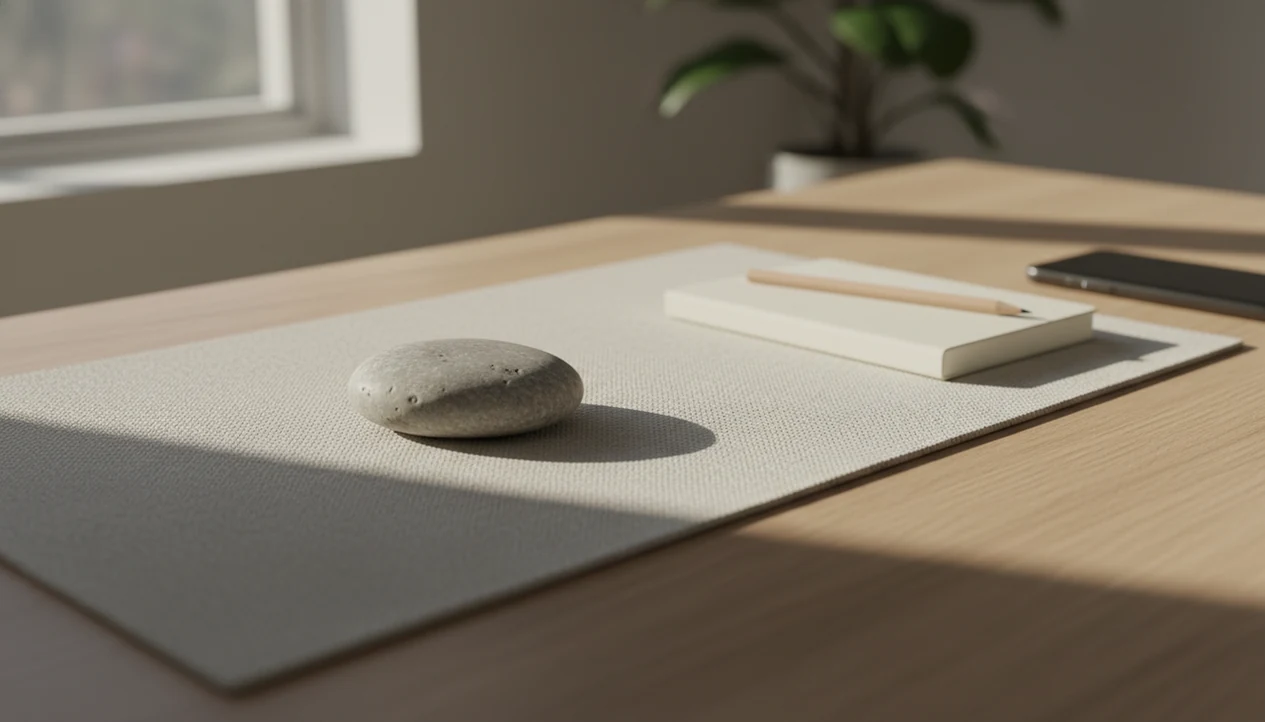
Meditation for attention is a secular practice of choosing an anchor, noticing distraction, and returning to that anchor without self-criticism. The anchor might be your breath, room sounds, or the feeling of your feet on the floor. You are not trying to empty your mind. Each time you recognize that it has wandered and come back, you repeat the skill the practice is meant to train.
Start with 5 to 10 minutes most days and give the routine several weeks. Many studies use practice periods of 2 to 8 weeks, but improvement is not guaranteed. Short, regular sessions are a manageable starting point for beginners. Meditation can support focus; it cannot compensate for every effect of poor sleep, stress, notifications, an unsuitable workspace, or a mental health condition.
The essentials
- The goal is not a blank mind; the useful skill is noticing distraction and returning to the anchor.
- Short daily sessions are better for beginners than occasional long sessions, with many studies using 2-8 week practice windows.
- Meditation can support focus, but sleep, stress, notifications, environment, and mental health also affect attention.
Five expectations to set before your first session
- Refocusing is the training. Attention meditation is built through repeated return, not through stopping thoughts. The useful moment is when you notice the mind has drifted to lunch, email, or a grocery list.
- Brief practice can count. Beginner-friendly studies often use short daily sessions across 2-8 weeks, not retreat-length practice.
- Progress is usually gradual. Most people should expect modest gains in focus, not instant concentration on demand.
- No special belief is required. Secular mindfulness needs no spiritual framework, cushion, incense, or app.
- Context still matters. Meditation works better alongside sleep, quieter work settings, realistic task design, and professional support when attention problems are significant.
Small counts.
The practical promise is attention practice, not a personality overhaul. Practicing mindfulness means noticing distraction, returning to an anchor, and pausing before reacting; it does not solve every focus problem. When a tense conversation interrupts your focus, practice mindfulness during conflict at work to pause before responding.
The attention loop and the evidence behind it
The basic training loop is simple: pick one anchor, recognize wandering, name it lightly if helpful, and return. That moment of recognition is where attention gets trained.
In brain terms, the practice appears to involve attentional control, working memory, and sensory awareness. Plainly said, you practice steering attention instead of being pulled around by every mental notification. A 2019 meta-analysis of 23 randomized controlled trials found small-to-moderate attention improvements from mindfulness-based interventions compared with controls NIH research. A 2010 randomized study found that two weeks of brief mindfulness training improved attention and working memory compared with nutrition training PubMed research. In 2011, an eight-week Mindfulness-Based Stress Reduction study reported measurable gray-matter changes in regions associated with learning, memory, emotion regulation, and perspective-taking; that supports plausibility, but it does not prove every beginner will focus better PMC research article.
For beginners, focused attention usually works best when the anchor is simple, while open monitoring fits people who can notice thoughts without chasing them.
Feeling focused is not the same as improving attention capacity
A calmer session or a more productive afternoon does not, by itself, show that your general attention capacity has increased. You might work better because you closed distracting tabs, clarified the task, or felt less anxious. A systematic review of objective cognitive outcomes found that results differ by task and cognitive domain. Feeling more focused is useful information, but it is not proof of improved sustained attention.
Research also distinguishes types of distraction. A review of 15 studies on mindfulness and mind-wandering found that 14 reported at least one significant relationship. The most consistent findings included fewer mind-wandering episodes detected by prompts during tasks, fewer commission errors, and less variation in response times. Results varied substantially with the measurement method and comparison group, so the findings do not establish a uniform benefit for every person or task.
Choose a time, an anchor, and a place to sit
Set up meditation to improve attention by making the practice small, repeatable, and physically workable. The easier it is to begin, the more attention you can spend on returning instead of managing the setup.
- Choose one quiet five-minute window you can repeat on most days, such as before opening your laptop or after brushing your teeth. A mindful break schedule can help you plan short pauses around your workday without making practice another demanding task.
- Pick one anchor before the timer starts: breath, sound, feet on the floor, or a clear body sensation. Deciding early prevents the practice from becoming another search task.
- Use a simple timer so you are not checking the clock every minute. Boring is helpful here.
- Sit in a way that supports attention without strain. A chair is fine; the posture should feel steady, not heroic.
- Pause if stillness increases distress, agitation, or a trapped feeling. Switch to walking practice, sound awareness, or a guided session instead of forcing yourself through it.
A 5 to 10 minute attention practice
Ask for a short, clean routine before you ask for a long one. Five minutes is enough to begin; use a wall clock, a kitchen clock, or the end of one familiar track if you need a clear stopping point. For a midday reset, try mindfulness during lunch break before returning to your next task.
- Set a timer for 5-10 minutes and sit on a chair with both feet on the floor.
- Choose one anchor, such as the breath, room sounds, or the feeling of feet on carpet or tile.
- Notice when attention wanders, without turning it into a personal review.
- Label the distraction softly, such as “thinking,” “planning,” or “hearing.”
- Return to the anchor and repeat the same loop until the timer ends.
If the mind wanders 40 times, that gives you 40 chances to practice returning. That is the work, not a sign that you are failing. Tools like the Mindful.net Mindfulness Practices App can offer gentle guided support, alongside Calm or Headspace, but an app is optional. If you want a closely related practice, our focus meditation guide breaks the same skill into a beginner routine.
Match your anchor to the distraction
The best meditation style for attention depends on the kind of distraction you meet most often. Match the practice to the problem, then stay with it long enough to learn the pattern.
| Focus problem | Practice to try | Why it may fit |
|---|---|---|
| Overthinking | Breath focus | A single breath anchor gives thinking less room to sprawl. |
| Restlessness | Walking meditation | Movement can make attention practice easier than sitting still. |
| Digital distraction | Sound awareness | You practice hearing a cue without automatically reacting. |
| Sleepiness | Body scan | Sensation gives the mind more texture than breath alone. |
| Task switching | Open monitoring | You learn to notice impulses before following them. |
A beginner who keeps reaching for tabs may do better with sound awareness than silent breath practice at first. For study sessions, study meditation for students offers a more school-specific version of this matching process.
Build a repeatable routine over 2 to 8 weeks
How long does meditation take to improve attention? Most beginners should think in weeks, not days, with 2-8 weeks as a reasonable early practice window.
Week 1 is for starting small. Practice for 5 minutes, use one anchor, and stop before the session starts to feel like a test. Weeks 2-4 are for making the habit easier to repeat; a caregiver might place it after watering garden beds between clients or after putting a guitar back in its case. Weeks 5-8 are for lengthening or refining. Add a few minutes, or keep the time steady and make the return gentler and faster to recognize.
Research has used windows such as two weeks PubMed research and eight weeks PMC research article, but that does not mean every person gets the same result. Track one real-world marker: fewer tab switches, longer reading time, or faster return after interruption. Consistency beats heroic sessions.
The cursor blinking on an email is a useful test.
Reduce interruptions around your work practice
Attention practice works better when your environment is not constantly attacking attention. Use meditation as one layer, not the whole system.
- Notifications: Silence nonessential alerts during one work block. Take one breath before opening a new tab.
- Caffeine: Notice whether your second cup sharpens focus or creates jumpiness. Bodies differ.
- Sleep: Treat poor sleep as a focus issue, not a character flaw.
- Task design: Define the next visible action before you begin. “Write introduction” beats “work on report.”
- Environment: Move the phone, close extra windows, and reduce background clutter where possible. If shared workplace noise keeps pulling your attention away, try mindfulness for open office distractions alongside practical changes to your surroundings.
A three-minute breathing pause before opening a laptop can change the first task of the day. For workplace routines, focus meditation for work pairs short practice with meeting, email, and task-start cues.
Carry the return into one work block
Before starting work, take 30 seconds to name one task: read this page, draft this paragraph, or complete this form. Choose the next line or visible action as your work anchor. During the block, a brief cue such as “thinking, back to the next line” can turn the return into something concrete. This applies the noticing-and-returning practice discussed in the review of mindfulness and mind-wandering; it is not a separately proven productivity formula.
At the end of the block, spend one minute closing deliberately. Mark the task as done or paused, record where to resume, and note what helped you return. Keep the note practical: “phone outside the room” or “smaller next step.” The aim is to make the next block easier to start, not to score every lapse or turn mindfulness into another performance target.
When attention practice fits, and when you need other support
Meditation for attention fits some situations well and fits others poorly. Use it where it supports skill-building, not where medical care or structural change is needed.
| Best for | Not ideal for |
|---|---|
| ✓ Beginners who want a secular focus habit | ✕ People seeking an instant cure |
| ✓ People with mild distractibility | ✕ Replacing ADHD assessment, therapy, coaching, or medication decisions |
| ✓ Learners who prefer short daily practice | ✕ Suppressing thoughts or forcing a blank mind |
| ✓ People who like simple anchors | ✕ Sitting through distress without support |
If sitting quietly makes you agitated, start with walking, sound awareness, or a guided session. For attention concerns related to ADHD, read about ADHD meditation app support with the same caution.
Stop treating wandering as a failed session
An empty mind is not the goal of attention meditation. It does not. Minds generate plans, memories, worries, songs, and random images because that is what minds do.
Another mistake is treating every distraction as failure. If you notice the distraction, the practice is already happening. A third mistake is switching techniques every day. Breath on Monday, mantra on Tuesday, body scan on Wednesday, then quitting by Friday makes it hard to learn what actually helps.
Long sessions can also backfire for beginners. Ten steady minutes most days usually teaches more than one intense hour on Sunday. Apps, timers, headphones, and watches can help, but they can also become another layer of checking. Keep the tool boring.
Really boring is useful here.
If your main goal is longer work blocks, deep work meditation explains how to connect the practice to focused sessions.
The practice in one image: anchor, notice, return
A useful image for meditation to improve attention should show one simple loop: choose an anchor, notice wandering, return gently, and repeat. The scene can stay ordinary without becoming bland: a closed gym locker door, a quiet hallway with a trace of perfume, or a notebook with one line written after practice.
The visual should avoid mystical symbols and make the skill easy to understand at a glance. A person pausing near a parking garage echo, noticing dry lips or a small stomach flutter, and returning to sound would tell the right story. The practice is ordinary attention training: begin, drift, notice, return, and begin again.
Can background sound help you settle into attention practice?
Unpredictable conversations or street noise can make it harder to settle into a short attention practice. The free white noise and ambient sound player offers background sound that may help mask interruptions, without promising better concentration. Mindful.net's short guided meditations can provide spoken instructions when needed. A quieter location is better when available, and neither sound nor guided sessions replace care for persistent attention difficulties.
Find your place again after an interruption
Use a brief attention practice at the point where you need to resume work, rather than starting another full meditation session. Make the return concrete: find the sentence, calculation, or decision you left unfinished, then name the next action. If you know an interruption is coming, leave a short note such as “Check the total in row six” or “Explain the example in this paragraph.”
- Before switching away, write a resumption note that names your next action, not just the project.
- When you come back, pause with your hands resting and notice three natural breaths without changing their pace.
- If the interruption is still on your mind, write down any follow up you need to remember, then set that note aside.
- Read your resumption note and locate the exact place it refers to. If you left no note, review the last completed step.
- Do that one action before reviewing the whole project or opening another task. For example, finish the sentence before rereading the document.
Attention Meditation Limits
- Benefits usually require consistent practice over weeks, not just one or two sessions.
- Attention improvements are often modest, vary by person, and are not guaranteed.
- Evidence quality varies by protocol, sample size, teacher training, and participant group.
- Seek professional assessment for ADHD, depression, anxiety, trauma, or sleep disorders rather than relying on meditation.
Questions about training attention with meditation
Can meditation actually improve attention?
Meditation may improve some attention measures and reduce mind-wandering, but effects vary by person, practice, and study design. Think of it as practice in noticing a lapse and returning, not a guaranteed increase in concentration. Feeling calmer after a session does not necessarily mean your sustained attention has improved.
How many minutes should I meditate for better focus?
Start with 5 to 10 minutes most days. Choose one anchor and repeat the same noticing-and-returning loop until the timer ends. Longer sessions are not necessary at the beginning. Keep the routine manageable enough to repeat, rather than making each session a test of how long you can concentrate.
How long does meditation take to improve attention?
Think in weeks rather than expecting a change after one session. A 2 to 8 week practice period is a reasonable early window for building a routine, not a deadline for results. Benefits may be modest or absent. Sleep, stress, workload, and interruptions can also affect how focused you feel.
Which meditation is best for focus: breath, sound, or walking?
There is no single best anchor for everyone. Breath focus gives you one repeated sensation to return to. Sound can be an alternative when breath attention feels uncomfortable, and walking can make practice more workable when sitting feels restless. Choose one approach and repeat it long enough to learn how it fits.
Can meditation replace ADHD medication or therapy?
No. Mindfulness can be an additional practice, but it is not a replacement for ADHD assessment or established treatment. Adult ADHD care may include medication and structured psychological support, including CBT. Persistent problems with task initiation, planning, or attention deserve appropriate assessment rather than relying on meditation alone.
How do I use meditation skills while working?
Choose one concrete task and make its next visible step your anchor. When you notice attention moving to an unrelated thought or tab, return to that step. Reduce avoidable interruptions first, including nonessential notifications. Meditation trains the return, but it does not make a constantly interrupting environment suitable for focused work.
Should I keep meditating if sitting quietly makes me distressed?
Do not treat distress as something you must endure to improve attention. Stop the session or try a more workable practice, such as walking or listening to room sounds. Meditation is not a substitute for care related to anxiety, trauma, or other mental health concerns. Seek support if distress persists.