
How to Beat the Afternoon Slump Without More Coffee


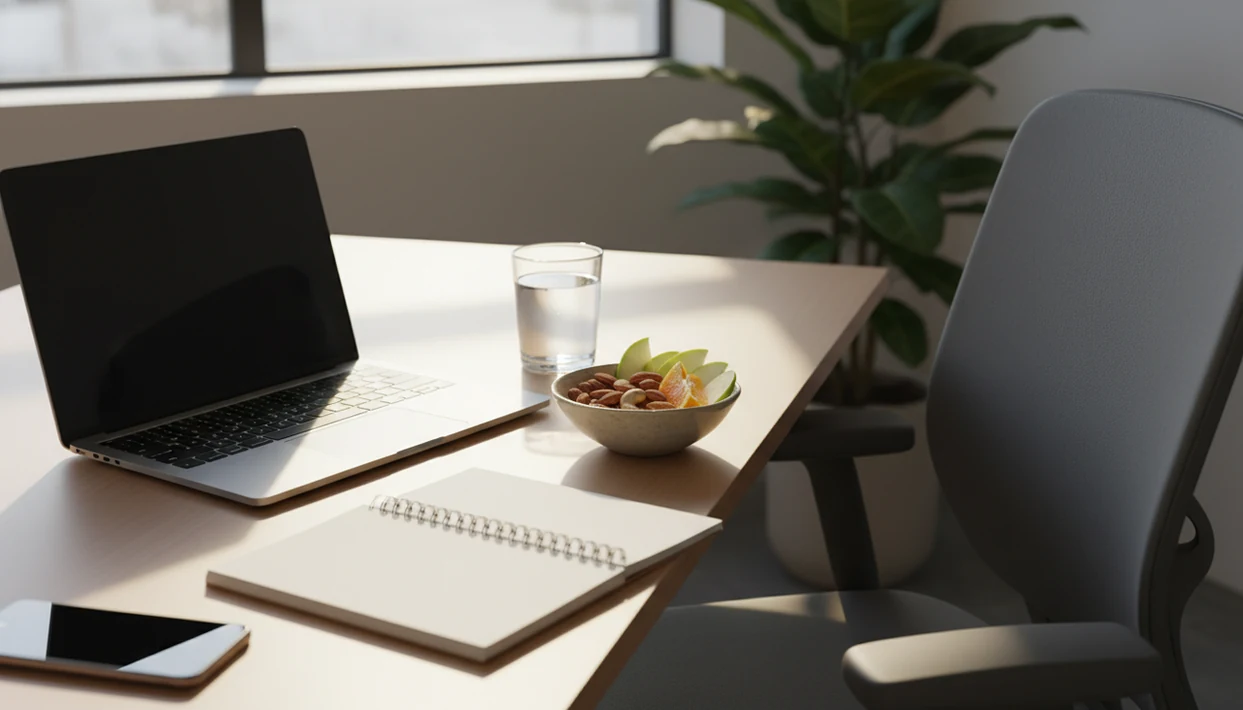
To beat the afternoon slump without more coffee, try a 10-minute reset: drink water, get bright light, walk or stretch, then take a one-minute breathing break. The afternoon slump is a normal early-to-mid afternoon dip in alertness, often felt around 2 to 4 p.m. It can become more noticeable when sleep, lunch, hydration, movement, and stress habits are out of balance.
The aim is to respond to what you need, not force yourself through another hour of work. A short break can help you settle scattered attention and return to one manageable task. Preventing repeated crashes takes more than a breathing exercise: consistent sleep, balanced meals, regular movement, and avoiding late caffeine matter too.
The essentials
- The 2-4 p.m. energy dip is common and often reflects circadian rhythm, not weak willpower.
- The fastest non-caffeine fixes are water, light, a short walk or stretch, and a brief mindfulness reset.
- Long-term prevention depends on sleep consistency, balanced meals, hydration, and avoiding late-day stimulant cycles.
What the afternoon slump feels like at work or while studying
The afternoon slump means the sleepy, foggy, unmotivated dip many people feel between about 2 and 4 p.m., especially after lunch. In plain language, “how to beat afternoon slump” means using small habits that restore alertness without relying only on coffee, sugar, or willpower.
At work, it may look like a cursor blinking on an email you’ve read three times. While studying, it can feel like rereading the same paragraph without taking anything in. After lunch, it often shows up as heavy eyes, slower thinking, and a strong urge to scroll.
Not a character flaw.
This pattern is common and often biological. A practical response usually combines hydration, light, movement, food timing, and attention practice. For students, a short reset can pair well with study meditation for students when focus drops mid-session.
How your body clock and sleep pressure affect afternoon alertness
The afternoon slump works through a stack of normal body signals: your internal clock lowers alertness for a while, while sleep pressure keeps building the longer you are awake. The dip feels stronger when lunch, hydration, stress, and stillness all point your brain toward rest.
Circadian rhythm is your daily timing system; in early-to-mid afternoon, it often gives less “stay awake” support than it did in the morning. At the same time, sleep pressure, the natural drive to sleep that accumulates across the day, keeps rising. A large or sugar-heavy lunch can pull energy toward digestion and create uneven blood sugar, while too little water can make thinking feel slower. Sitting still for hours adds another quiet cue: low movement, dim light, shallow breathing, and the same screen at the same distance. That is why bright light, walking, stretching, and longer exhales can help. They tell the nervous system, “wake up, circulate, reorient.” A brief slump is usually normal; sudden, severe, unsafe, or persistent sleepiness is different and deserves medical guidance.
Before You Try an Afternoon Slump Reset
Before you try an afternoon slump reset, do a quick safety and needs check. The best reset is short, realistic for your setting, and not used to push through fatigue that feels unsafe or unusual.
- Check your basics. Ask whether you are actually hungry, thirsty, short on sleep, or overstimulated by noise, messages, and screens. A reset works better when it meets the real need.
- Pause only where it is safe. Do not use breathing exercises, phone apps, stretching, or eye-closing practices while driving, cycling in traffic, operating machinery, or supervising anything risky.
- Choose what your space allows. In an office, that may mean water and a hallway walk. In a library, it may be posture, light, and quiet breathing. At home, it may include a brief stretch.
- Set a short timer. Five to ten minutes is enough for a reset; the timer keeps the break from becoming a scroll session.
- Get help when fatigue is different. Sudden, severe, recurring, or persistent sleepiness deserves medical care instead of more self-care experiments.
Sleep, lunch, and sitting: what can deepen the dip
Afternoon fatigue usually comes from a mix of circadian rhythm, sleep pressure, food, hydration, and stillness. The early-to-mid afternoon dip is part of the body’s normal alertness cycle, but daily habits can make it sharper.
- Circadian rhythm: Many adults naturally feel less alert in the early afternoon, even after a decent night of sleep.
- Sleep debt: Per the CDC, about 35% of U.S. adults do not regularly get at least 7 hours of sleep, and short sleep is linked with more daytime sleepiness (CDC guidance).
- Sleep target: The American Academy of Sleep Medicine and Sleep Research Society recommend at least 7 hours of sleep for adults to support health and daytime functioning (Jcsm.4758).
- Food and water: A heavy or high-sugar lunch can make energy feel uneven; mild dehydration can also affect mood, thinking, and fatigue.
- Long sitting: Hours in one chair can reduce physical alertness. Shoulder blades pressing the chair for too long becomes its own signal.
For most adults, 7 or more hours supports steadier daytime alertness.
10-Minute Afternoon Slump Reset for Work or Study
A 10-minute afternoon slump reset works because it changes several fatigue signals at once: hydration, light, circulation, breathing, and task size. Use it before deciding you “need” another coffee.
- Drink water. Take several slow sips, especially if you’ve had coffee but little plain fluid.
- Find bright light. Step outside if possible, or move near a window for a few minutes.
- Walk or stretch for 3-5 minutes. Pace a hallway, roll your shoulders, or stretch your calves beside the desk.
- Do a one-minute breathing reset. Inhale normally, exhale a little longer, and let your belly rise against your waistband.
- Return to one small focused task. Pick a single next action, such as replying to one message or outlining one paragraph. To build on this reset, learn how to get into flow state with a clear goal and manageable challenge.
For attention-heavy work, this routine usually works best when it comes before the deepest focus block, while caffeine fits better earlier in the day. Understanding flow state conditions can help you prepare a focused work block with fewer distractions and a clear goal.
5 Afternoon Slump Tips for Desk Work
Desk workers need tactics that don’t require a nap room, gym clothes, or a long break. These five options fit most offices, libraries, and home desks.
- Water first: Keep a glass or bottle visible and take a few sips before snacking.
- Posture switch: Sit forward, stand for two minutes, or place both feet flat on carpet or tile.
- Light nudge: Open a shade, face a brighter part of the room, or step outside briefly.
- Movement snack: Try 10 chair squats, a stairwell landing walk, or slow shoulder rolls.
- Mindful breathing: Pause before answering a message and take five steady breaths.
Even short movement can help without becoming a workout. If your workplace is restrictive, the at-desk version is simple: water, feet grounded, shoulders relaxed, one minute of breathing. Tools like Mindful.net can help you learn short secular practices; focus meditation for work gives a more work-specific path. For home office routines, mindfulness for remote work can help you create clearer boundaries and steadier attention.
Afternoon Slump Food, Water, Nap, and Caffeine Choices
Food, water, naps, and caffeine can all change afternoon alertness, but they work differently. The more sustainable choice usually supports energy now without stealing sleep later.
| Choice | What it can do | Watch for |
|---|---|---|
| Water | Mild dehydration, as little as 1-2% body water loss, has been associated with worse mood, concentration, and fatigue in controlled research (PubMed research). Water is the lowest-friction first move. | Don’t wait until you feel very thirsty. |
| Balanced snack | Complex carbs plus protein can steady energy better than sugar alone. Try yogurt with fruit, nuts with whole-grain crackers, or hummus with vegetables. | Large snacks may feel like a second lunch. |
| Short nap | A 10-20 minute nap may improve alertness and performance for some people. | Longer or late naps can cause grogginess or disrupt sleep. |
| Caffeine | FDA guidance says up to 400 mg daily is generally safe for most healthy adults (Spilling Beans How Much Caffeine Too Much). | Late-day caffeine can disturb sleep and worsen tomorrow’s slump. |
| Sugar | Sugar may give a quick lift. | The drop afterward can feel sharper. |
For many people, water plus a small balanced snack is easier than more caffeine because it avoids the late-day sleep tradeoff.
Common Mistakes That Make the Afternoon Slump Worse
The most common afternoon slump mistakes are the ones that give fast relief but make the next dip stronger. The goal is to fix the signal underneath the fatigue, not just cover it for another hour.
A late coffee can look productive, especially after a short night, but it may push sleep later and keep the cycle going. Waiting to drink water until you already feel wiped out is another common trap; hydration works better as a steady habit than an emergency fix. Food matters too. A candy-only snack may help for a few minutes, but protein and fiber usually make the landing smoother.
Use this quick troubleshooting pass:
- Check whether you are using caffeine to compensate for repeated short sleep.
- Drink water before fatigue feels dramatic, not only after the crash arrives.
- Choose a small snack with protein, fiber, or both instead of sugar alone.
- Limit the break with a timer so a reset does not become 30 minutes of scrolling.
- Notice fatigue that is persistent, unusual, or unsafe, and seek professional evaluation rather than pushing through.
One-Minute Mindfulness Break for Afternoon Slump Focus
Can a one-minute mindfulness break help afternoon slump focus? Yes, it can help you notice mental fatigue, settle scattered attention, and choose the next task without turning it into a long meditation session.
Try this at your desk. Close your eyes or soften your gaze. Notice one inhale and one exhale. Relax your jaw. Feel your feet on the floor. Let your shoulders drop slightly. If your mind wanders to a grocery list, notice it and return to the breath. After one minute, choose one small next task.
That’s enough.
Mindfulness practices and meditation techniques for beginners and daily life offer a practical attention reset, not a guaranteed cure for fatigue. If you want a longer version, focus meditation explains how to build the skill gradually. For a longer attention practice, try flow state meditation to settle your focus without forcing concentration.
In Mindful.net, the Mindfulness Practices App format is best used here as a short guided reset: open one breathing practice, set a one-minute timer, and stop before it turns into procrastination.
What mindfulness research says about fatigue
Mindfulness may help with fatigue, but the evidence does not establish that a one-minute desk break reverses an afternoon crash. A 2019 evidence map of mindfulness for workplace wellness reported modest reductions in fatigue and sleep problems in the largest included review of structured mindfulness trials. Study quality and the formats of the programs varied, so results should not be treated as a promise.
A separate review of workplace mindfulness trials found small-to-moderate average improvements in stress, anxiety, distress, well-being, and sleep after training. That supports mindfulness as one part of a recovery plan, not a replacement for enough sleep or medical care. When fatigue follows excessive workload or unpredictable hours, changes to work demands and scheduling may matter more than another attention exercise. If work leaves you mentally drained, meditation after work offers a brief reset before your evening begins.
Tomorrow's Afternoon Slump Prevention Plan
Beating tomorrow’s slump starts tonight because the 3 p.m. crash is often a 24-hour sleep-wake issue. Short resets help, but prevention comes from steadier routines.
Set regular bed and wake times when you can. Aim for 7-9 hours of sleep if you’re an adult, with at least 7 hours as a common minimum for daytime alertness. Notice whether breakfast helps you feel steadier, and hydrate earlier rather than trying to catch up at 2:45 p.m. At lunch, favor fiber-rich carbs, protein, and some healthy fat over a large sugar-heavy meal.
Late-night screens and irregular bedtimes matter here. Many afternoon energy guides skip that part.
Track your slump triggers for one week: bedtime, lunch, water, movement, caffeine, and stress. Patterns usually show up quickly. For deep task blocks, deep work meditation can support a calmer start.
Ordinary afternoon tiredness versus sleepiness that needs care
This guide is best for ordinary afternoon tiredness, desk fatigue, study fog, after-lunch drowsiness, and people who want non-caffeine tools. It is not meant for sudden severe sleepiness, unsafe drowsiness while driving, persistent exhaustion, or symptoms that may need medical care.
| Best fit | Not ideal for |
|---|---|
| Normal 2-4 p.m. energy dips | Sudden or severe sleepiness |
| Desk fatigue from long sitting | Drowsiness while driving or operating equipment |
| Study fog after lunch | Persistent exhaustion despite enough sleep |
| People reducing late-day caffeine | Suspected sleep, mood, thyroid, or medication-related problems |
| Short secular mindfulness resets | Anyone needing diagnosis or treatment |
Mindfulness and lifestyle habits are supportive, not medical treatment. If fatigue feels unusual, unsafe, or persistent, professional guidance is the safer next step.
At your desk: time a one-minute attention break
When you keep rereading the same email after lunch, a timed pause gives you a clear stopping point before returning to work. Set the free online meditation timer for one minute, feel your feet, and notice your breathing. The Mindful.net app also has a meditation timer. Choose food, movement, or rest instead when those are what you need.
Afternoon Reset Limits
- Seek medical evaluation for excessive daytime sleepiness, rather than relying on lifestyle tweaks.
- Persistent fatigue may relate to sleep apnea, depression, thyroid problems, medication effects, or other health issues.
- Not everyone can nap, go outside, stand frequently, or leave their workstation.
- Quick fixes cannot fully offset chronic sleep deprivation or sustained high stress.
Afternoon slump questions
Is it normal to feel sleepy between 2 and 4 p.m.?
An early-to-mid afternoon dip in alertness is common and can reflect your body clock rather than poor motivation. Sleep pressure also builds as the day goes on. A mild dip is different from sudden severe sleepiness, unintended sleep episodes, or exhaustion that persists despite enough sleep.
Why do I feel tired after lunch even when I slept enough?
Lunch often coincides with the natural afternoon dip, so food is not necessarily the only cause. A large or sugar-heavy meal, little movement, dehydration, and stress can make tiredness more noticeable. Look at the whole day rather than assuming one ingredient explains every afternoon crash.
How can I beat the afternoon slump without coffee?
Try a short sequence: drink water, find bright light, walk or stretch for a few minutes, then pause for one minute of comfortable breathing. Return to one small task rather than your entire to-do list. These steps may help ordinary desk fatigue, but they cannot make up for chronic sleep loss.
What should I eat when I get tired in the afternoon?
If you are hungry, choose a snack that combines fiber-rich carbohydrates with protein, such as fruit with yogurt or whole-grain crackers with nuts. Avoid treating every dip as a need for sugar. At lunch, a balanced meal may support steadier energy better than a large, sugar-heavy meal.
Can meditation help with afternoon brain fog?
A brief meditation can help you notice fatigue, settle scattered attention, and choose a next task. It is not a substitute for sleep, food, or medical assessment. Research on structured mindfulness programs suggests modest benefits for fatigue and sleep problems, but that does not prove a single minute will restore alertness.
Does afternoon coffee make the next day's slump worse?
Late caffeine can interfere with sleep, which may leave you more tired the following day. The concern is a repeating pattern of short sleep followed by more caffeine to compensate. Try water, light, and movement first, and consider limiting late caffeine as part of a steadier sleep routine.
How can I prevent a daily 3 p.m. crash?
Start with consistent wake times, adequate time in bed, morning outdoor light, and regular daytime movement. Keep lunch balanced and drink water throughout the day rather than trying to catch up when tiredness hits. If your schedule repeatedly prevents enough sleep or breaks, address that constraint as well.
When should I see a doctor about afternoon sleepiness?
Seek medical assessment if sleepiness is persistent, worsening, unexplained, or disrupting daily life despite enough sleep. Loud snoring, witnessed breathing pauses, morning headaches, and unintended sleep episodes also warrant attention. Do not rely on a breathing break or coffee to push through drowsiness while driving or operating equipment.