
Choose the Best Mindfulness Practice for Your Time, Energy and Setting



The best mindfulness practice is one that fits your current time, energy, setting and goal, not a single technique that works for everyone. For most beginners, a 2- to 10-minute session of mindful breathing, sensory grounding, a body scan or mindful walking is a practical starting point. Ask what you need right now, where you are, how much time you have and what feels safe enough to try.
Before a meeting, counting breaths may give your attention a simple task. In bed, a body scan may fit better. During a commute or after conflict, keeping your eyes open and noticing your surroundings may feel more manageable. Your choice can change from one moment to the next.
What matters most
- Choose a mindfulness practice by asking: What do I need right now, where am I, how much time do I have, and what feels safe enough to try?
- Breathing, body scans, sensory grounding, and mindful walking are the most practical starter options for everyday use.
- The best practice for now may change by moment: what helps before a meeting may not be what helps in bed, during a commute, or after conflict.
How discover best mindfulness practices look
Side-by-side captures of the compared products. Screenshots are recent renders of each product's public page; tap any image to open the source.
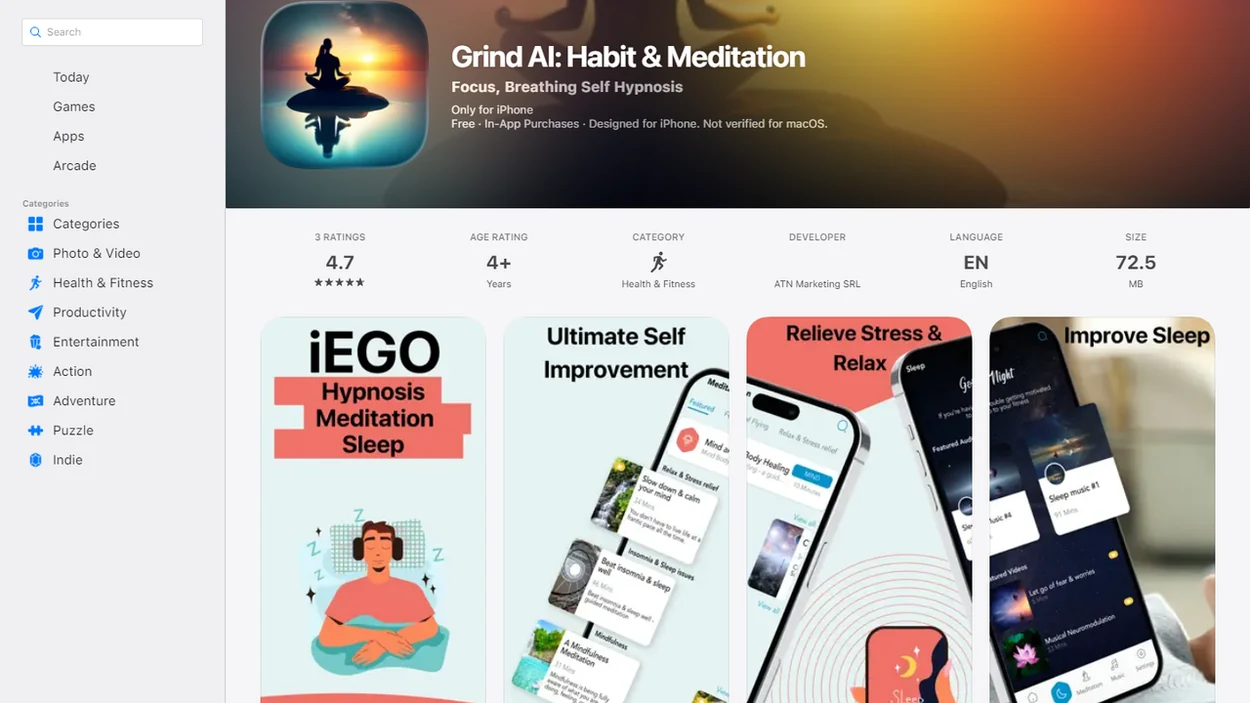
Match a short practice to six everyday situations
The right practice for this moment is the one you can actually complete today, not the one that sounds most impressive. Use your current moment as the filter.
| Moment | Recommended practice | Length | Why it fits |
|---|---|---|---|
| Before a meeting | Mindful breathing | 2-3 minutes | Simple counting gives the mind one steady task before speaking. |
| In bed | Body scan | 5-10 minutes | Attention moves through the body without needing effort or problem-solving. |
| During a commute | 5-4-3-2-1 grounding | 1-3 minutes | Eyes-open practice works in public and uses what is already around you. |
| After an argument | Self-compassion pause | 2-5 minutes | It creates a softer reset before replaying the conversation again. |
| While restless | Mindful walking | 5-10 minutes | Movement can feel easier than forcing stillness. |
| When overwhelmed | One-minute noticing | 60 seconds | Naming sounds, sensations, and thoughts lowers the entry barrier. |
A folded towel on bedroom carpet is enough setup. Really.
Choose by goal, time, energy, setting and comfort
A mindfulness practice finder should ask about goal, time, energy, setting, and comfort level. Practice choice changes with context; needing a different method tomorrow is not personal failure.
The five inputs that matter
- Goal: Ask, “Do I want steadiness, sleep readiness, focus, kindness, or a reset?”
- Time: Choose 1, 3, 5, or 10 minutes before choosing the technique. If mornings suit your schedule, try early morning meditation with a simple two minute practice.
- Energy: Pick movement when you feel jumpy; pick stillness when you feel drained.
- Setting: Use eyes-open grounding in public, and quieter practices in private.
- Comfort: Avoid breath focus or silence if either feels too intense today.
Beginners usually do better with short, concrete practices before longer silent meditation. For a worker with feet planted under the desk, three counted breaths may be more usable than a 30-minute sit. One simple way to try it is to choose mindfulness practice options by constraint first, then preference.
What a practice finder can suggest, and what it cannot assess
A mindfulness practice finder is a decision model for attention practice, not a diagnosis or mental health assessment. It matches a practice to the desired state, nervous-system activation, available attention, physical setting, and practice tolerance.
The basic mechanism is context matching. If your arousal level is high, the body may resist stillness, so eyes-open sensory grounding or mindful walking can fit better than sitting meditation. If attention feels dull, breath counting gives a clean target. If the body feels safe enough to notice, a body scan can build steadier awareness.
Mindfulness practices and meditation techniques for beginners and daily life can deliver repeatable attention training, not guaranteed calm on command. A 2011 meta-analysis of 209 studies found small to moderate effects for anxiety, depression, and stress across mixed populations APA research. Clinicians typically recommend mindfulness as a supportive skill, not a replacement for care.
Pick a practice and start within 60 seconds
Use this 60-second process when you want to choose and start, not keep comparing. The smallest complete practice is usually better than the ideal practice you postpone.
- Name the outcome in one phrase: “steady before meeting,” “settle for sleep,” or “stop spiraling.”
- Check your time honestly, then choose 1, 3, 5, or 10 minutes.
- Choose eyes-open if you are in public, restless, or emotionally activated.
- Pick one practice: breath counting, body scan, sensory grounding, walking, or self-compassion.
- Set a short timer and put the phone face down, preferably on airplane mode.
- Review how it felt afterward: easier, harder, neutral, or not right today. If you have missed several days, restart your meditation habit with a brief practice rather than making up time.
For beginners, mindful breathing usually works best when the setting is quiet, while sensory grounding fits people who need an eyes-open practice in a busy place.
Best Practice for Now: Breath, Body, Senses, or Movement
Start with one binary decision: stillness or movement. That choice often matters more than the name of the meditation.
If stillness feels doable
- Breath awareness: Use this when you want focus or a short pause. Counted breaths between keyboard clicks can be enough.
- Body scan: Use this when you want to soften effort, especially before sleep or after a tense day.
If movement feels safer
- Sensory grounding: Use this when you feel overwhelmed, public, or too alert to close your eyes.
- Mindful walking: Use this when restlessness is high and sitting feels like one more task.
For stressed workdays, our mindfulness at work guide covers more short pauses that fit between meetings. Pivot when a practice increases distress, feels impossible to finish, or makes you more stuck in thinking.
3 Mindfulness Practice Examples for Real Moments
Real practice choice usually happens in ordinary minutes, not in a quiet retreat room. These examples show how context changes the right option.
Maya before a meeting
Maya has three minutes before a difficult meeting. She chooses box breathing, then switches to simple breath counting because remembering the box pattern feels like work. For meeting stress, breath counting is often easier than open awareness because it gives attention a narrow lane.
Jordan in bed
Jordan feels keyed up after a nursing handoff and keeps replaying what was missed. A short body scan fits better than more analysis, so they notice the weight of their back, heavy eyelids, and an itchy forehead. No dramatic insight. Just a little less gripping.
Sam on a commute
Sam feels restless on the train platform and chooses sensory noting instead of closing their eyes. They name three colors, two sounds, and the pressure of shoes on tile. Someone seeking mindfulness when overstimulated may need this kind of eyes-open reset first.
Mind wandering, discomfort and uneven progress
“Why does my mind wander during mindfulness practice?” Because the mind samples other signals; noticing the drift and coming back is the trained skill, not evidence that you picked the wrong practice.
Beginners often notice five patterns. First, short daily practice tends to stick better than occasional long practice. Second, grounding may feel easier than breath focus during stress. Third, attention may jump to the coffee aroma, a hallway sound, or the next task on the teaching whiteboard. Fourth, practice gets clearer when the instruction is concrete. Fifth, progress is uneven. To make consistency easier, build a morning meditation habit around one small practice you can repeat.
A gentle progression is grounding, short breathing, body scan, longer sitting, then daily-life mindfulness. Workplace research has found mindfulness-based programs can reduce psychological distress and improve well-being and job strain, PubMed research but averages do not predict your Tuesday afternoon. If focus is the main aim, compare options in our mindfulness for focus guide.
Short everyday practices are not the same as studied programs
Research on mindfulness programs does not establish which two-minute exercise is best before a meeting. A review of 47 trials involving 3,515 participants found small-to-moderate improvements in anxiety and depression, with weaker evidence for stress. The MBSR programs generally included 20 to 27.5 hours of instruction over eight weeks, a different commitment from occasional breathing exercises.
If you need progressive instruction, feedback and accountability, a structured course may be a better fit than choosing a new exercise each day. Match the course to the concern, too. In an eight-week trial of mindfulness for insomnia, both programs reduced wake time and pre-sleep arousal, but the insomnia-specific program produced a greater reduction in insomnia severity at the three-month follow-up. Persistent sleep problems deserve more than a generic bedtime meditation.
Recognize discomfort and know when to seek help
A mindfulness practice finder cannot diagnose anxiety, depression, trauma, ADHD, insomnia, or any medical condition. It can only suggest a practical next step based on the information you give it.
Immediate calm is not the only sign a practice is useful. Sometimes the useful moment is noticing agitation sooner, taking one Kettle Pause before speaking, or choosing not to intensify a conflict. Still, some practices feel unpleasant at first. Breath focus, silence, or body scans may bring up discomfort for some people, especially with trauma histories. For days when practice feels demanding, gentle meditation reminders can help you return without adding pressure.
Benefits usually build over weeks, not one session. Evidence for stress relief was weaker than evidence for anxiety and depression in a review of 47 meditation-program trials, which found small-to-moderate improvements in anxiety and depression after eight weeks. That does not mean one breathing pause will erase stress tonight. Use the practice, then adjust.
Use guided audio when instructions help you stay with practice
Yes, some apps can help by organizing practices by goal, time, and experience level. The useful ones reduce scrolling when you are already tired.
A library of meditations gives you many recordings. A true context-based practice finder helps you decide between breathing, grounding, body scan, walking, or compassion based on your moment. That difference matters when you have five minutes and too many choices.
For this page’s use case, Mindful.net is most useful when it narrows choices by moment: time available, setting, energy level, and whether eyes-open practice feels safer than sitting still. If reminders are the missing piece, an app that reminds me to breathe at work may fit better than a large audio library. The pocket check is real.
Limits of Mindfulness Practice
- Mindfulness guides provide education, not care planning, and cannot replace professional mental health care, diagnosis, medication guidance, or therapy.
- Trauma histories may make breath focus, body scans, closed eyes, or silence uncomfortable, and research averages cannot predict individual results.
- Severe distress, panic, thoughts of harming yourself, or acute crisis require immediate professional or emergency support.
- If practice feels overwhelming, stop, open your eyes, orient to the room, and choose support over pushing through.
Choosing a mindfulness practice: common questions
What is the best mindfulness practice for beginners?
Start with a short, concrete exercise: breath counting, sensory grounding, a body scan or mindful walking. Choose one that fits your setting and feels manageable. Guided instructions can help if you are unsure what to do. There is no need to begin with long sessions or closed eyes.
Which mindfulness practice should I choose when I feel overwhelmed?
Try eyes-open sensory grounding or mindful walking if sitting still or watching your breath feels too intense. Use nearby sights, sounds or the sensation of your feet as an attention target. Stop if distress increases. Severe distress or panic calls for appropriate support, not pressure to finish a meditation.
What mindfulness practice can I do before sleep?
A short body scan may suit bedtime because it gives attention a concrete task without requiring movement or problem-solving. Keep the aim modest: noticing sensations, not forcing sleep. If insomnia persists, consider professional assessment and a sleep-specific approach rather than relying only on a general mindfulness exercise.
Is mindful walking as valid as sitting meditation?
Mindful walking is a practical option when movement feels more manageable than stillness. Pay attention to your steps and surroundings rather than treating the walk only as a way to reach somewhere. Keep your eyes open and remain aware of traffic and other hazards. Sitting is not a requirement for mindfulness.
Does mind wandering mean I chose the wrong practice?
No. Noticing that attention has drifted and returning to your chosen focus is part of the practice. A concrete target, such as counting breaths or feeling your feet, may be easier than a broad instruction to stay present. Guided practice can also provide reminders when you lose track.
What should I do if mindfulness makes me uncomfortable?
Stop or change the exercise rather than pushing through. Open your eyes, try an external sensory focus or choose gentle movement. Breath focus, body scans and silence can be uncomfortable for some people, especially with trauma histories. Seek clinician guidance if practice worsens symptoms or brings on destabilizing experiences.