
Fight or Flight Response Mindfulness: Stress Cues, Grounding, and Safety


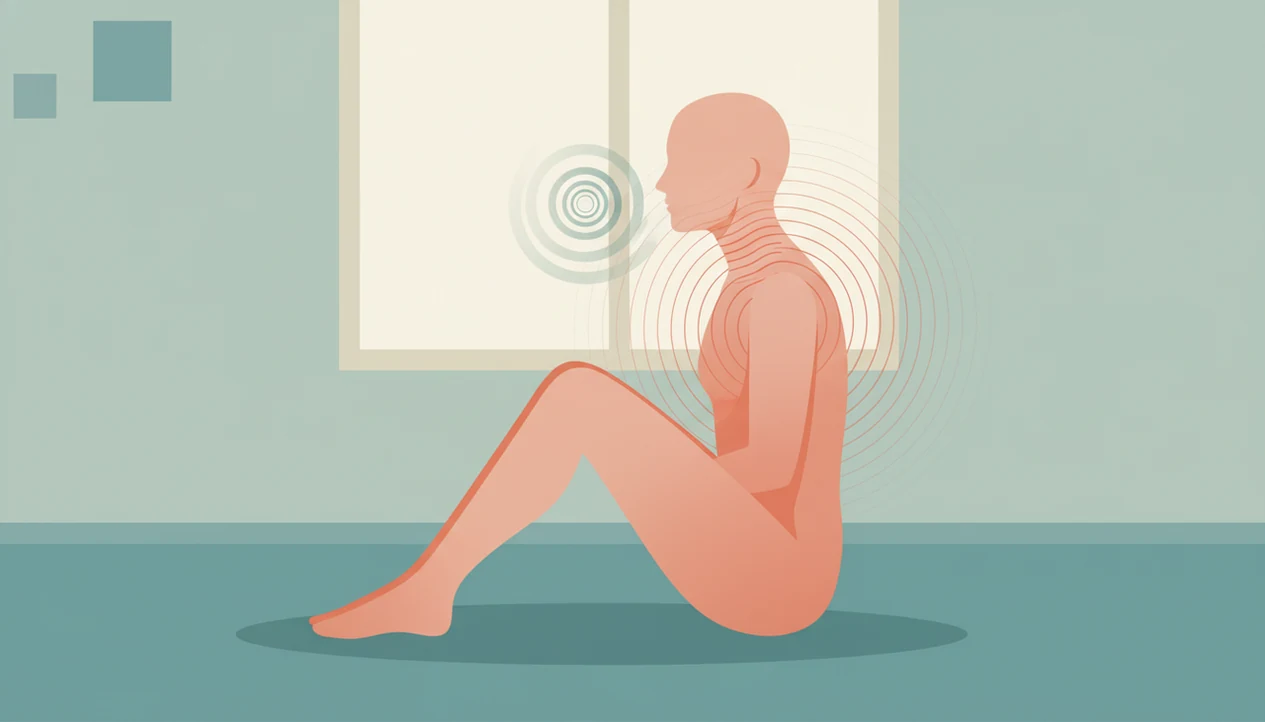
Fight or flight response mindfulness is the practice of noticing stress sensations, thoughts, and impulses as they happen, then using breathing and grounding to respond more deliberately. A racing heart, shallow breath, tight chest, or urge to argue, escape, or freeze can signal that your body is in stress mode. These automatic survival reactions are not personal failures.
Mindfulness does not erase stress or stop every adrenaline surge. It can help you recognize the first cues, bring attention back to your surroundings, and choose a next step rather than react automatically. Treat it as a self-regulation skill, not a substitute for anxiety treatment, trauma care, or getting help when a situation is unsafe.
The essentials
- Fight, flight, and freeze are automatic survival reactions, not personal failures.
- Mindfulness helps by naming body cues, slowing breathing, grounding attention, and reducing autopilot reactions.
- Use mindfulness as a self-regulation skill, not as a substitute for trauma care, anxiety treatment, or help in unsafe situations.
Recognize stress cues before you react
Fight-or-flight response mindfulness starts with a common beginner mistake: trying to calm down only after stress has already taken the wheel. The skill is to spot stress-mode cues sooner, a racing heart, shallow breath, tight chest, warm face, tingling fingers, or thoughts that speed up, then pause, breathe, ground attention, and choose the next action with a little more steadiness.
The cues can show up as an urge to argue, escape, freeze, or shut down. One person notices their voice getting sharp. Another notices their shoulders lifting toward their ears before a reply is even typed.
The aim is not to suppress the stress response. The aim is to recognize it earlier, create a small pause, and reduce reactive behavior. Brief mindfulness and meditation practices train attention for everyday stress; they do not promise instant calm or remove difficult circumstances.
How the body's threat alarm changes breathing and heart rate
Fight-or-flight response mindfulness works by helping you notice the body’s threat-response loop before sensation turns into automatic action. The amygdala acts like a threat detector, scanning for danger and sending fast signals when something feels unsafe or urgent.
When that alarm rises, the sympathetic nervous system prepares the body to act. Adrenaline can make the heart pound, breathing quicken, muscles tense, and senses sharpen, as Harvard Health explains in its fight-flight-or-freeze overview Fight Flight Or Freeze. That can happen before a hard conversation, after sudden bad news, or while staring at an inbox that keeps filling up.
The parasympathetic system is the body’s recovery brake. Slow breathing and grounding do not flip a magic switch, but they can support that brake. Mindfulness builds a pause between sensation, interpretation, and action. That pause may be only one breath at first.
Still useful.
Five facts about stress reactions and daily practice
- Fight, flight, and freeze are automatic survival reactions. They are not character flaws, weakness, or proof that you are “bad at stress.”
- Early body cues are easier to work with than full escalation. A tight jaw or quickened breath is often simpler to meet than a full argument or shutdown.
- Slow breathing, sensory grounding, and body awareness can support recovery. For many people, feeling feet on tile or naming three visible objects gives attention somewhere steadier to land.
- Regular daily practice usually helps more than emergency-only use. A phone timer set for 5 minutes on ordinary days can make the skill easier to find during pressure.
- Mindfulness has modest evidence for anxiety and distress, not cure-level proof. A 2014 JAMA Internal Medicine meta-analysis found MBSR had a moderate anxiety effect size of 0.45 (JAMA study), and a 2017 Annual Reviews paper reported small-to-moderate improvements in distress and well-being (Annurev Clinpsy 021815 093423). For broader context, our page on mindfulness for anxiety support keeps the same non-treatment boundary.
A five-step pause for a manageable stress spike
Use these steps as a small sequence, not a test you pass or fail. The goal is a workable next moment.
- Name the state: Say silently, “This is fight or flight,” or “My body is in stress mode.”
- Lengthen the exhale: Exhale slowly, then let the next few breaths stretch without forcing them.
- Ground through the senses: Feel your feet, notice two sounds, or name three objects in the room.
- Scan one body area: Check the jaw, shoulders, or hands, then release any tension that can soften. For a structured way to soften muscle tension, try a progressive muscle relaxation script at a comfortable pace.
- Choose one next action: Pause before replying, step outside, ask for a minute, or lower your voice.
For many beginners, three slow exhales are more realistic than a long meditation. During a work spike, counted breaths between keyboard clicks may be enough to stop one sharp message from leaving your outbox.
During panic, breathe gently rather than deeply
Trying to take bigger breaths can backfire when you are already breathing too fast or too deeply. Overbreathing lowers carbon dioxide and can intensify dizziness, tingling, chest tightness, and feelings of unreality. The York Hospitals guide to hyperventilation explains this pattern. Those sensations may then feel threatening, increasing alarm and further changing your breathing.
When you are safe, sit or stay where you are, soften your shoulders, and breathe gently through your nose if comfortable. Let the exhale be at least as long as the inhale without straining. Continue for several minutes without holding your breath or trying to fill your lungs maximally. The NHS guide to coping with panic supports gentle, slower breathing rather than a forced physiological reset.
Grounding responses for messages, meetings, traffic, and conflict
Everyday mindfulness works best when the practice fits the trigger. You are not trying to become calm on command. You are learning to notice the surge and choose one grounded response.
The five triggers below are tense messages, difficult meetings, traffic stress, family conflict, and sudden bad news. Each one uses the same basic sequence: notice the body cue, ground attention, then choose the next response.
Email and message overload
Before sending a tense reply, take one breath with your hands off the keyboard. If your face feels hot or your thoughts speed up, name it as adrenaline. That label can reduce fear of the sensations themselves.
Tense meetings and hard conversations
Anchor attention before speaking, especially when the room suddenly goes quiet. On a retail floor rush, notice the weight of a product in your hand as the supermarket conveyor keeps moving. In parking garage stairs, let the echo remind you to slow one exhale. During family conflict, name three neutral shapes in the room. After sudden bad news, touch a steady surface and say, “My body is reacting.”
Tools like Mindful.net can support beginner mindfulness practices and meditation techniques when you want short, secular guidance between real-life moments. For a wider stress routine, mindfulness for stress may help you compare simple daily options.
When self-regulation helps and when safety or treatment comes first
Fight-or-flight mindfulness is best used for self-regulation during manageable stress, not for replacing safety planning or clinical care. Mindfulness changes the inner response, but it cannot remove external stressors or make unsafe situations safe.
| Best for | Not for |
|---|---|
| Everyday stress spikes | Immediate danger |
| Pre-meeting nerves | Untreated panic attacks |
| Irritability | PTSD flashbacks without support |
| Mild anxious arousal | Severe depression |
| Sleep-disrupting rumination | Replacing medication or therapy |
| Building self-awareness | Unsafe home or workplace conditions |
The U.S. National Center for Complementary and Integrative Health notes that mindfulness meditation has been associated with reduced symptoms of anxiety, depression, and insomnia, though effects are generally modest NCCIH overview. For sleep-linked stress loops, meditation for sleep covers bedtime practice more directly. If stress follows you away from home, sleep while traveling offers practical ways to support rest in unfamiliar settings. For another gentle bedtime option, explore how reading before sleep can fit into a calming evening routine.
Seven days of practicing stress cues, breathing, and grounding
This 7-day plan is optional beginner practice, not a guaranteed treatment. It builds recognition before the next crisis, which is usually easier than starting from zero while activated.
- Day 1: Learn your personal body cues. Notice where stress appears first.
- Day 2: Practice three slow exhale cycles while calm.
- Day 3: Try 5-senses grounding: sight, sound, touch, smell, and taste.
- Day 4: Notice one trigger without judging it. A grocery-list thought counts.
- Day 5: Practice a 2-minute body scan. Keep eyes open or skip intense scanning if it feels too much.
- Day 6: Rehearse a pause phrase before a predictable trigger, such as “I need one minute.”
- Day 7: Review what helped and choose one daily anchor.
A closed door with hallway noise is still a valid practice setting. Apps such as Mindful.net, Calm, and Headspace can provide beginner-friendly secular practice support when structure helps.
Avoid forcing calm or waiting until a crisis
Trying to eliminate every stress reaction sets a goal that mindfulness cannot meet. The fight-or-flight system is built into the body. Mindfulness helps you relate to it differently.
Another mistake is treating mindfulness as checking out or demanding instant relaxation. Real practice is more participatory than that. You notice the first wave, breathe, feel one clear body signal, and return.
People also wait until a crisis, then feel discouraged when one breathing exercise does not fix everything. Brief calm-state practice matters because the nervous system learns through repetition.
Some body scans can feel overwhelming, especially for people with trauma histories. If scanning the chest or belly increases distress, choose an outside anchor instead. Look at the wall. Feel the chair. For more safety context, read can meditation make anxiety worse before pushing through discomfort.
When to seek professional help for fight-or-flight symptoms
Seek professional help when fight-or-flight symptoms stop being occasional stress reactions and start disrupting daily life. Panic attacks, trauma symptoms, persistent anxiety, avoidance, sleep loss, or relationship and work problems are all good reasons to talk with a qualified clinician.
Use mindfulness as one support tool, not the whole care plan. If a therapist, prescriber, or physician recommends therapy, medication, or both, mindfulness can often sit beside that treatment as a grounding practice.
- Contact a mental health professional if anxiety, panic, flashbacks, or shutdowns keep you from working, studying, sleeping, driving, parenting, or maintaining relationships.
- Seek urgent medical or crisis support for chest pain, fainting, self-harm thoughts, suicidal thoughts, violence, or any immediate danger.
- Tell your clinician what happens during mindfulness practice, including whether breathing, stillness, or body awareness makes symptoms better or worse.
- Choose safer anchors when needed: keep your eyes open, look around the room, feel your feet, or listen to nearby sounds.
- Avoid closed-eye meditation or intense body scans if they increase panic, dissociation, flashbacks, or a trapped feeling. If practice disrupts sleep or increases distress, review stress, sleep and mindfulness safety before continuing.
Do not assume new chest pain or breathing difficulty is anxiety
A pounding heart, chest discomfort, dizziness, and shortness of breath can occur during panic, but they can also overlap with medical illness. The NHS explanation of panic disorder describes these symptoms and the need to rule out other causes. A first episode, an unfamiliar pattern, or symptoms substantially different from your usual experience deserve medical judgment rather than automatic reassurance.
Seek urgent medical help for severe or persistent chest pain or pressure, fainting, marked breathing difficulty, confusion, blue lips, or new neurological symptoms. Symptoms during exertion, suspected overdose, or symptoms alongside known heart or lung disease also require caution. Do not delay assessment to finish a breathing exercise. A familiar, previously assessed panic pattern may be managed with an agreed care plan, but that plan should not override new warning signs.
Can a breathing timer help you practice before stress spikes?
Before a difficult meeting or while practicing on a calm day, a visual breathing cue can give you a simple rhythm to follow. The free box breathing timer offers a structured practice, while the Mindful.net app provides short guided meditations and breathing exercises. During panic, gentle breathing without holds is a better fit than forcing a box pattern. Persistent symptoms need clinical assessment, not a longer timer session.
Mindfulness Safety Limits
- Mindfulness has modest average effects and cannot remove financial pressure, discrimination, caregiving burdens, or unsafe environments.
- Mindfulness cannot replace professional care, so seek evaluation when panic, trauma symptoms, depression, or chronic anxiety disrupt daily life.
- Closed-eye meditation or intense body scanning may trigger some trauma survivors.
- If practice causes unusual distress, stop and seek support, consulting our meditation side effects guide for warning signs.
Fight-or-flight mindfulness questions
Can mindfulness stop the fight-or-flight response?
Mindfulness cannot switch off an automatic survival response on command. It can help you notice early cues, ground your attention, and pause before acting. The aim is a more workable response and recovery, not the absence of stress. Actual danger calls for protective action, not an attempt to meditate through it.
How do I calm a fight-or-flight surge in the moment?
First check that you are safe. Name the state, soften your shoulders, and take gentle, slower breaths without forcing depth or holding your breath. Feel your feet or identify objects around you, then choose one practical action, such as pausing a conversation. New or severe symptoms need assessment rather than an assumption of anxiety.
Why can deep breathing make panic feel worse?
Rapid or forceful deep breathing can cause overbreathing, which lowers carbon dioxide and may intensify tingling, dizziness, chest tightness, or feelings of unreality. During panic, aim for gentle, unforced breathing rather than gulping air. Keep the exhale comfortable and at least as long as the inhale, without breath holds.
Is freezing part of the fight-or-flight response?
Freeze is another automatic survival reaction that can accompany a threat response. You may notice an urge to stop moving, go quiet, or shut down rather than argue or escape. It is not a character flaw. If freezing repeatedly disrupts daily life or relates to trauma, seek professional support alongside any grounding practice.
What if focusing on my body makes anxiety worse?
Switch to something outside your body rather than continuing an intense scan. Look around the room, name visible objects, listen for sounds, walk slowly, or speak with another person. Inward attention can increase symptom-monitoring for some people. Grounding is an option for directing attention, not a universal cure or a test you must complete.
Is anxiety physical or mental?
Anxiety involves both bodily reactions and psychological processes. Breathing, heart rate, muscle tension, attention, and interpretations of danger can influence one another. A fast heartbeat may feel threatening, and that interpretation can increase alarm. Helpful care can address both the sensations and the fear attached to them, rather than treating anxiety as only thoughts.
How often should I practice mindfulness for stress reactions?
Try a brief daily practice while relatively calm instead of saving every exercise for a crisis. A few minutes can include noticing your early cues, practicing gentle breathing, and rehearsing a pause before replying. Keep the routine manageable. Regular practice supports familiarity, but it does not guarantee that every stress spike will feel easier.
When should I get help instead of using mindfulness?
Seek assessment for repeated panic attacks, persistent fear of another attack, avoidance, trauma symptoms, or anxiety that disrupts sleep, work, or relationships. Severe or persistent chest pain, fainting, marked breathing difficulty, or unfamiliar symptoms need urgent medical judgment. Mindfulness can accompany a care plan, but breathing and grounding do not replace treatment.