
Mindfulness for Military Veterans: Short Practices and Safety Guidance


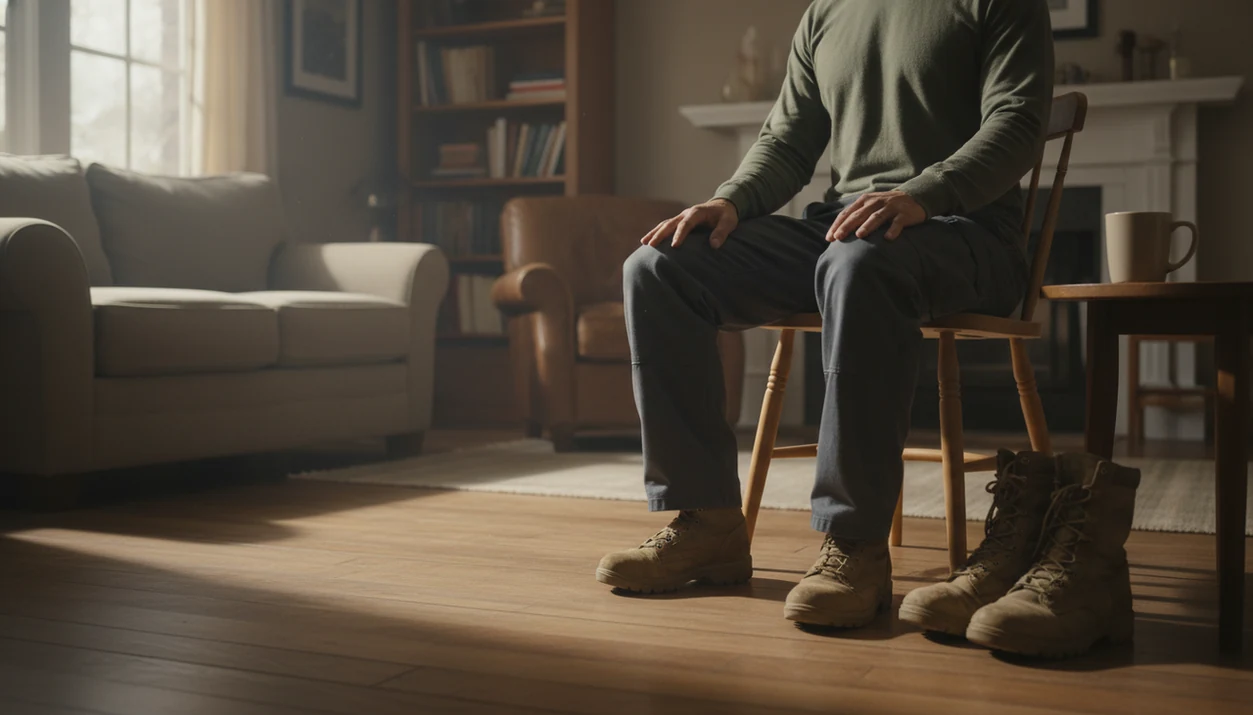
Mindfulness for military veterans is a secular skill for noticing breath, body sensations, thoughts, and triggers before reacting automatically. Practicing present-moment awareness without judging each experience may support stress regulation, sleep, attention, pain management, and emotional control. It is an addition to appropriate clinical care, not a stand-alone treatment or cure for PTSD.
Begin with 2 to 10 minutes of grounding, breathing, or body awareness. Eyes-open practice and external anchors, such as sounds or contact with the floor, may be safer starting points than long silent meditation for some veterans. Stop or change the exercise if distress increases. If you are in immediate danger, thinking about suicide, or unable to stay safe, seek help before practicing: contact emergency services or, in the U.S., call the Veterans Crisis Line at 988, then Press 1.
The essentials
- Start with short practices: 2-10 minutes of breathing, grounding, or body awareness is enough for a first routine.
- Evidence is promising for stress resilience, attention, sleep, pain management, and PTSD symptom support, but mindfulness is not a stand-alone PTSD cure.
- Trauma-informed pacing matters: eyes open, short sessions, and grounding through the senses may be safer than long silent meditation for some veterans.
What mindfulness may help veterans practice in real life
Mindfulness is mental training, not a belief system, spiritual requirement, or personality makeover. For veterans, it is most useful as a practical attention skill for stress, sleep, anger, triggers, pain, attention, and emotional control.
No special gear required.
A veteran might practice outside a truck stop, while tuning a guitar, or with a warm coffee mug held in both palms after filling out a hospital clipboard. The basic move is simple: notice what is happening, choose an anchor, and come back when attention drifts.
Practicing a pause between a trigger and a reaction
Mindfulness trains attention to recognize distraction, arousal, and automatic reactions, then return to a chosen anchor. Over time, that repeated “notice and return” cycle may create a small but meaningful pause between a trigger and the next action. At work, mindful perspective and reframing can offer another way to examine automatic interpretations before responding.
The technical terms are attention regulation and interoceptive awareness. In plain language, you practice noticing what your body and mind are doing before they take over. Breath practice may reveal a tight chest. The Window Exercise may help someone orient to movie theater dim light or the outline of an exit sign. Grounding may bring attention to an itchy scalp, a gym locker door closing, or the squeak of nearby furniture without forcing the experience to disappear.
For veterans, that pause can matter during anger, startle responses, intrusive memories, or a restless night. Mindfulness may support regulation, but it does not erase memories, remove trauma, or replace evidence-based care. For a broader plain-language base, our what is mindfulness definition guide covers the core terms.
What veteran mindfulness studies can and cannot show
The evidence for mindfulness in veteran and military populations is promising, but not final. Some trials are small, some are pilot studies, and program formats vary.
- A 2014 randomized trial of mindfulness-based exposure therapy in 66 combat veterans with PTSD found that 49% no longer met PTSD criteria after treatment and 53% at 6 months, compared with 28-32% in the comparison group JAMA study.
- A 2019 pilot randomized clinical trial of MBSR in 47 U.S. veterans with PTSD found a greater reduction in clinician-rated PTSD symptom severity in the mindfulness group.
- A 2024 systematic review reported promising evidence for attentional control, working memory, and stress resilience in military mindfulness training NIH research.
- VA Whole Health materials frame mindful awareness as part of routine self-care, including stress, sleep, and pain support Mindful Awareness.Asp.
- Clinicians typically recommend mindfulness as an adjunct skill, not as a substitute for trauma-focused therapy, medication decisions, or crisis care.
Choosing a practice for anger, sleep, or intrusive memories
Different situations call for different practices. For veterans, the safer first choice is often brief, eyes-open grounding before longer meditation.
| Situation | Practice to try | Why it fits |
|---|---|---|
| Hyperarousal | Eyes-open grounding with contact points | Names the room, chair, floor, and present time before going inward |
| Sleep trouble | Body scan or slow breath counting | Gives the mind a simple bedtime track without forcing sleep |
| Anger spike | Pause, feel feet, lengthen exhale, name the emotion | Adds one step before speaking or acting |
| Intrusive memory | Orient to surroundings first | Reconnects attention to current time and place |
| Pain flare | Gentle breath plus neutral body areas | Avoids making the painful area the only focus |
For veterans with chronic pain, mindfulness usually works best when paired with medical care and pacing, while simple grounding fits moments when symptoms feel too intense. We cover that distinction in mindfulness for chronic pain.
Build a short routine you can stop at any time
A beginner routine should be short, repeatable, and easy to stop. The goal is to practice attention, not to prove you can sit through discomfort.
- Set a low-pressure window, such as 2, 5, or 10 minutes on a phone timer.
- Choose one anchor: breath, feet, hands, sounds, or body contact with the chair.
- Notice when attention moves to planning, scanning, or a grocery list, then return once. If unfinished tasks keep pulling attention away, the Zeigarnik effect explains a memory pattern with important limits.
- Open your eyes and look around if distress rises; name three present-time details.
- Record the practice dose, not whether the session felt calm or successful.
- Repeat at the same daily cue, such as after brushing teeth or before starting the car. For gentle routine building, these Japanese techniques for overcoming laziness offer practical ideas without treating symptoms as character flaws.
A notebook open after practice can help. One line is enough: date, minutes, anchor, and anything that made the practice easier or harder.
Keep control of the practice: eyes open, short sessions, clear exits
Trauma-informed mindfulness gives the person more choice, not less. If a practice makes you feel trapped, flooded, or disconnected, change the practice or stop.
- Eyes-open practice: Keep the eyes open if closing them feels unsafe. Softly look at a wall, door, window, or object.
- Short sessions: Use two to five minutes at first. Long silent sits are not required.
- Clear exits: Sit where you can see the room and leave easily. A bus seat or office stairwell may work better than a dark bedroom.
- External anchors: Use sounds, colors, or an object instead of deep body scanning.
- Clinical support: Work with a trauma-informed clinician for PTSD, panic, dissociation, moral injury, or substance-use concerns.
Noticing body sensations can feel intense for some trauma survivors. The practical next step may be grounding, not deeper meditation. For related emotional safety, read about the dangers of suppressing emotions.
What to ask before joining a mindfulness group
Before joining a group, ask how the facilitator handles distress and what choices participants have. Can you keep your eyes open, use sounds or objects instead of body sensations, pause, or leave? A trauma-sensitive program should not require you to describe traumatic experiences. These safeguards reflect the delivery cautions in a review of psychological interventions for healthcare professionals, with cautious application to veterans.
Ask about support beyond the session, too. Facilitators should have procedures for distress, dissociation, suicidal crisis, and referral to appropriate care. The review evidence is stronger for healthcare workers than for veterans or first responders, so a workplace program should not be assumed to suit military trauma. Clear choices and referral arrangements matter more than a promise that meditation will feel calming.
VA mindfulness resources and other free starting points
Free resources can be enough to begin, especially when they use clear language and short practices. VA Whole Health mindful awareness materials frame mindfulness as routine self-care rather than a cure.
- VA Whole Health: Offers mindful awareness resources connected to sleep, stress, pain, and daily self-care.
- VA Mindfulness Coach: A free VA app option many veterans search for when they want guided practice without a subscription Mindfulness Coach.
- VA guided meditations: Useful for veterans who prefer a voice prompt fading into silence rather than sitting unguided.
- Community programs: Veteran groups, yoga, Tai Chi, guided imagery, and clinician-led programs can add structure and social support.
- Beginner apps: Mindful.net is optional support for secular mindfulness practices and meditation techniques for beginners and everyday life.
A saved lesson opened during lunch may be more realistic than a long evening routine. Start where practice actually fits. A brief gratitude practice at work can provide another focus reset during a lunch break or between tasks.
When daily mindfulness fits and when treatment comes first
Mindfulness is a good fit for veterans who want a low-cost, repeatable skill for daily regulation. It is not a replacement for medical or mental health treatment.
| Best for | Not ideal for |
|---|---|
| Veterans building stress, sleep, attention, or anger-pause routines | Replacing trauma-focused therapy or crisis care |
| People willing to practice repeatedly, not just read about mindfulness | Changing medication without a prescriber |
| Daily grounding before meetings, classes, or family conversations | Treating substance-use disorder without professional support |
| Short breath, sound, or contact-point practices | Long silent meditation when it causes overwhelm |
The most useful starting plan is usually brief daily practice with a clear stop option, because repetition builds the skill more reliably than occasional long sessions. For broader routines, our mindful living guide offers everyday mindfulness ideas.
Why repeated practice matters for attention
Does practice dose matter in mindfulness for military veterans? Yes. Military mindfulness research suggests that repeated practice matters more than passive exposure.
Military mindfulness-dose research led by Amishi Jha suggests that practice time and engagement matter; in one military cohort, more mindfulness practice was associated with better working-memory outcomes NIH research.
Think of it as mental fitness.
A single lecture about pushups will not build strength. In the same way, occasional audio listening may not change attention habits much. Short daily practice often beats rare long sessions because the brain gets more chances to rehearse the pause. That is why a classroom bell followed by one breath can count as real training. For a related learning approach, spaced practice and recall can help explain why repeated engagement matters more than passive exposure.
When mindfulness is not enough: professional and crisis support
Mindfulness is not enough when safety, severe symptoms, or substance use are involved. In those moments, the skill is to get support first, then use grounding as one small part of a wider care plan.
- Seek immediate help if you might hurt yourself or someone else, feel unable to stay safe, hear commands to harm yourself, lose touch with where you are, or cannot come down from panic or rage.
- Call emergency services or go to the nearest emergency department if danger is immediate. In the U.S., contact the Veterans Crisis Line by dialing 988, then Press 1.
- Contact a clinician when PTSD symptoms, panic attacks, dissociation, nightmares, depression, or substance use are disrupting sleep, work, relationships, or daily functioning.
- Keep medication decisions with your prescriber. Do not stop, start, skip, or change doses because a meditation session felt better or worse.
- Use mindfulness as an adjunct skill: a way to notice early warning signs, ground in the room, and follow the care plan you build with qualified support.
Choose a sound anchor for a short practice
When attention to breathing or body sensations feels uncomfortable, an external sound can serve as an anchor. The free white noise and ambient sound player offers a sound to return to during a brief, eyes-open practice. Mindful.net also offers short guided meditations in its app. Neither is medical treatment; repeated distress, intrusive memories, or feeling disconnected calls for clinical support rather than more audio.
Mindfulness limits for veterans
- Mindfulness is not a cure for PTSD, depression, moral injury, chronic pain, or substance use disorder.
- Focusing on body sensations, memories, or emotions may initially increase distress for some veterans.
- Evidence includes small trials and varied programs, and benefits usually require repeated practice.
- If practice repeatedly increases agitation, numbness, or feeling unsafe, seek professional support, consider another method, or pause.
Veterans' mindfulness questions
Can mindfulness help veterans with PTSD?
Mindfulness may support PTSD symptom management, but it is not a stand-alone cure or a replacement for trauma-focused treatment. Research is promising but includes small trials and varied programs. Use it as an optional skill within a care plan, and tell your clinician if practice increases distress or intrusive memories.
How long should a veteran meditate when starting?
Start with two to five minutes, using a timer and an anchor such as feet, hands, or sounds. Longer sessions are not required. Keep the exercise easy to stop, and build repetition before adding time. Record how long you practiced rather than judging the session by whether you felt calm.
What is a simple grounding exercise for veterans?
Keep your eyes open and feel where your feet meet the floor or your body meets the chair. Look around and name three present-time details, such as a window, a color, and a sound. Return attention to those details when it drifts. Stop if the exercise makes you more distressed.
Do I have to close my eyes or focus on my breathing?
No. Eyes-open practice is a valid option, and breathing is only one possible anchor. You can attend to sounds, an object, your hands, or contact with the chair. Choose an anchor that feels manageable. If internal attention feels uncomfortable, start by noticing the room rather than scanning your body.
Does the VA offer mindfulness resources?
Yes. VA Whole Health provides mindful awareness materials related to daily self-care, stress, sleep, and pain. The VA also offers Mindfulness Coach and guided meditations. These resources can help you begin practicing, but they do not replace medical or mental health treatment when symptoms require professional care.
Can mindfulness help veterans sleep?
A short body scan or slow breath-counting practice can give attention a simple bedtime task without forcing sleep. Choose another anchor if body awareness feels uncomfortable. Mindfulness may support a sleep routine, but it does not guarantee sleep or replace assessment and treatment for persistent sleep problems.
When should I seek help instead of trying mindfulness?
Get support first if you might hurt yourself or someone else, cannot stay safe, or lose touch with where you are. For immediate danger, contact emergency services or go to an emergency department. In the U.S., veterans can call 988, then Press 1, to reach the Veterans Crisis Line.