
How to Boost Gratitude With Mindfulness
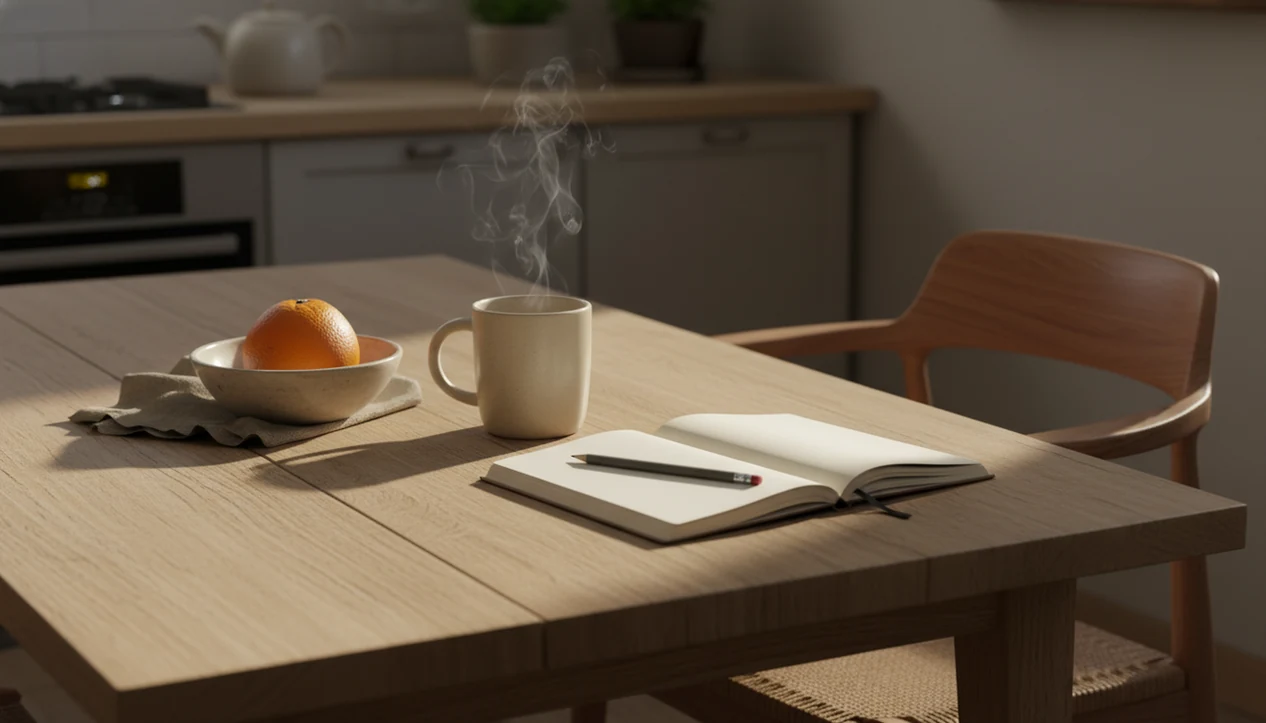
To learn how to boost gratitude with mindfulness, pause, notice what is present through breath, body, or senses, then name one specific thing you genuinely appreciate. The practice works best when it is brief, believable, and repeated often enough that your attention learns to register support, comfort, and small good moments instead of rushing past them.
Definition: Boosting gratitude with mindfulness means using present-moment awareness to notice, savor, and name what is already supportive or meaningful in everyday life.
TL;DR
- Start with awareness first: breathe, feel the body, or notice the senses before trying to name gratitude.
- Use tiny practices: 30 seconds to 10 minutes is enough when the gratitude is specific and believable.
- Do not force positivity: mindfulness lets you acknowledge difficulty while also noticing what is still helpful, neutral, or supportive.
What a mindfulness gratitude practice means in daily life
What is how to boost gratitude with mindfulness? It means using present-moment, nonjudgmental attention to notice what is already here, then naming one specific thing that feels supportive, useful, kind, or meaningful.
Mindfulness is attention practice. You might notice rain tapping glass, one easy breath, or the faint perfume in a hallway without trying to improve the moment. Gratitude is not pretending life is easy. It is noticing, “This place is warm,” “Someone checked in,” or “I have a small pocket of quiet.”
That makes the practice secular and beginner-friendly. No belief system is required. One simple way to try it is to sit in a kitchen chair, breathe three times, and name one thing that helped you get through the last hour.
How mindful attention makes gratitude easier to notice
Mindful attention makes gratitude easier because it interrupts autopilot before you start listing things. The mind naturally scans for problems, unfinished tasks, and possible threats; mindfulness widens the frame.
That problem focus is not a flaw. It is normal attention behavior. But when you pause with the breath or body, reactivity often softens enough to notice more than the next demand. You may feel the chest movement beneath your shirt, hear an exhale in a quiet room, and then recognize, “I am safe enough for this one breath.”
That is the mechanism. Attention narrows under stress and broadens when the nervous system settles. In plain language, you see more of the room.
A meta-analysis of randomized controlled trials found that mindfulness-based interventions produced moderate reductions in anxiety symptoms across clinical and non-clinical groups (Hofmann et al., 2010: PubMed research).
Five facts in this mindfulness gratitude guide
- Mindfulness creates space before gratitude is named. A few breaths help the practice feel observed, not forced.
- Gratitude includes ordinary comforts. A clean cup, a working bus route, or feet warming inside wool socks can count.
- Gratitude writing has research support. In one randomized trial, writing up to five gratitudes once a week for 10 weeks improved life satisfaction and optimism in students (Emmons & McCullough, 2003: PubMed research).
- Effects are usually small to moderate. Reviews of gratitude interventions generally find modest benefits that depend on the person, practice, and comparison group, rather than dramatic effects for everyone (Dickens, 2017: 17439760.2016.1221126).
- Authenticity matters more than intensity. A believable “I’m glad my neighbor held the door” is more useful than a dramatic sentence you don’t feel.
For beginners, specific gratitude usually works better than broad positivity because it gives attention something real to return to.
Before You Start a Mindfulness Gratitude Practice
Before you start, make the practice feel safe, small, and optional. Mindfulness gratitude works better when you are not trying to manufacture a big feeling or push through distress.
- Choose a quiet-enough place. You do not need silence, but pick a spot where interruption is less likely: a closed bedroom door, a parked car, a bench, or one calm corner of a busy home.
- Use an anchor that feels steady. If focusing on the body or breath feels unsafe, keep attention outside the body. Listen to a fan, notice light on the wall, or feel the outline of a cup in your hands.
- Keep the bar low. Mild appreciation counts. “This tea is warm” or “The chair is holding me” is enough; you do not have to feel joyful, inspired, or transformed.
- Stop if distress rises. If the exercise increases panic, shame, or numbness, pause and orient to the room. Open your eyes, look around, move your feet, or choose a different support.
How to use mindfulness to boost gratitude in six steps
Use this as a short routine, not a performance. One pattern we notice: gratitude lands more naturally when the practice is brief enough to repeat, like a 30-Second Reset while you wait in an airport security line.
1. Set a short practice window
Choose 2 to 10 minutes. Stand or sit somewhere you can be reasonably still, such as a quiet corner of a hospital waiting room, a hallway outside class, or beside the door while holding a dog leash.
2. Breathe before naming gratitude
Take three slow breaths. Let the body settle before you try to think of anything positive.
3. Notice what is present
Pick one anchor: sound, touch, breath, light, or a current support. The first bite of toast at breakfast may be enough.
4. Name specific gratitudes
Name one to three real items. Try “my sister called back,” not “family.”
5. Savor for a few breaths
Stay with each item for two or three breaths. Let the appreciation be mild if that is what feels true.
6. Repeat at one daily cue
Attach the practice to morning, meals, or bedtime. A steady daily gratitude routine is easier than relying on mood.
Mindfulness gratitude practices for five everyday moments
- Three breaths, three gratitudes: Use this 30-second practice during transitions. Before opening a laptop, breathe three times and name three specific supports.
- Five-minute gratitude meditation: In the morning or evening, settle with the breath, then bring one appreciated person, place, or comfort to mind. A fuller gratitude meditation can help if you like structure.
- Mindful gratitude journal: A few times per week, write what you noticed first, then what you appreciated.
- Gratitude letter: Write to someone who shaped your life. You do not have to send it.
- Sense-based savoring: During a meal, walk, or shower, notice one pleasant detail and stay with it for several breaths.
Everyday mindfulness practices and meditation techniques for beginners and daily life offer steadier attention and clearer noticing, not a guarantee of constant happiness.
Best-fit and not-fit cases for mindfulness gratitude tips
Mindfulness gratitude tips fit people who want a low-pressure way to notice support without denying hard things. They do not fit every moment, especially when safety, grief, or clinical care is the priority.
| Situation | Fit? | Why it matters |
|---|---|---|
| Beginner wants a secular practice | ✅ Best for | No special language, belief, or long sitting period is required. |
| Person overfocuses on what is missing | ✅ Best for | The practice trains attention toward what is also present. |
| Busy routine needs meaning | ✅ Best for | It can attach to meals, bedtime, or a commute. |
| Major depression, PTSD, severe anxiety, or crisis | ❌ Not ideal for | Professional support may be needed; gratitude is not treatment. |
| Grief, trauma activation, or unsafe conditions | ❌ Not ideal for | Forced gratitude can feel invalidating or unsafe. |
Tools like Mindful.net, Calm, and Headspace can guide practice, but the core skill can stay app-free.
Mindful gratitude journal examples and image caption ideas
A mindful gratitude journal starts with noticing, then moves into appreciation. Once or a few times per week can be enough for many people; daily writing is optional.
Try these prompts:
- “What did I feel, hear, or see today before I rushed past it?”
- “What small support made the day easier?”
- “What ordinary comfort would I miss if it disappeared?”
Specific entries work better than vague ones. Write “My coworker covered the 2 p.m. call when I was late,” not “work.” Write “The grocery line moved slowly, but the cashier smiled when my basket felt heavy,” not “kindness.”
Image caption idea: “A notebook with one present-moment note and one gratitude entry, showing how to boost gratitude with mindfulness through simple daily noticing.”
For more writing ideas, use gratitude journal prompts that begin with the senses, not a demand to feel thankful.
Common mistakes in mindfulness gratitude practice
The most common mistake is trying to feel grateful immediately. Start with awareness first. Gratitude often arrives after the body settles, not before.
Another mistake is listing generic items without pausing to notice them. “Health, family, home” may be true, but it can feel flat. Try one concrete detail instead, like “I slept under a warm blanket” or “my friend sent the address again without making it awkward.”
Do not use gratitude to suppress sadness, anger, or stress. Both can be present. Hard day. Still, one helpful thing may exist inside it.
Keep the practice short enough to repeat. Ten believable seconds beats a 30-minute routine you avoid. Also, an app is optional. Guided reminders can provide structure, but mindful gratitude can happen with breath, attention, and one honest sentence.
Limitations
Gratitude and mindfulness are supports, not cures. They can help you notice more of life, but they should not be used to minimize pain or delay needed care.
- They do not replace therapy, crisis care, medication, or medical treatment.
- People with major depression, PTSD, severe anxiety, or crisis symptoms should seek qualified professional support.
- Research effects are usually small to moderate, not dramatic for everyone.
- Body-focused mindfulness may feel uncomfortable for some trauma histories; sound or sight anchors may be safer.
Clinicians typically recommend professional evaluation when symptoms disrupt sleep, work, safety, relationships, or daily functioning. For difficult seasons, gratitude when sad may need a softer approach than ordinary gratitude practice.
When to Seek Professional Support
Seek professional support when distress is affecting your sleep, work, safety, daily functioning, or relationships. Gratitude can sit beside care, but it should not be used as proof that you “should” be fine.
Use a simple safety sequence if mindfulness gratitude starts to feel like too much:
- Pause the practice if body awareness, breath focus, or gratitude writing increases panic, shame, numbness, or a sense of being trapped.
- Orient to the room by opening your eyes, naming objects, feeling your feet, or choosing an outside anchor like sound or light.
- Contact support from a therapist, physician, counselor, or trusted crisis-trained service if symptoms keep interfering with life.
- Use emergency or crisis services immediately if you might harm yourself, might harm someone else, or are in immediate danger.
- Ask for trauma-informed care if attention to the body feels activating, especially after trauma, assault, medical harm, or chronic stress.
Mindfulness gratitude is a support practice. It can help you notice steadiness, kindness, or comfort, but treatment, medication, crisis care, and practical safety planning belong with qualified help when they are needed.
What Changes After One Week
- You may notice gratitude sooner, not constantly; the useful change is often a shorter gap between a good moment and recognizing it.
- A short session with one clear anchor tends to beat an ambitious routine that you skip by day three.
- If the practice feels emotionally flat, that does not mean it failed; it may simply mean your attention is still learning to register ordinary support.
- For nurses, parents, musicians, and athletes, gratitude often becomes more practical when it is tied to a repeatable cue, such as a steady breath before the next task.
- Mindfulness and prayer can overlap, but they are not identical: prayer may address the sacred, while mindfulness usually emphasizes noticing present experience without forcing a belief.
Signs You Should Try Another Approach
Try another approach if gratitude starts to feel like pressure, self-criticism, or a demand to feel better on schedule. A Body Scan may be a better fit when the body feels loud, while a Three-Breath Reset may work better when you only have a narrow pause between responsibilities. The myth to drop is that gratitude must feel warm immediately; sometimes the wiser move is to choose a steadier anchor first.
If This Sounds Like You
- If your thoughts race, use the named method “Notice, Name, Return”: notice one sensation, name one real support, then return to the next breath.
- If you are an overwhelmed parent, keep the practice smaller than your mood: one breath, one object in the room, one sentence of thanks.
- If you work shifts, pair gratitude with a transition you already have, such as washing your hands, unlacing shoes, or stepping into cooler air.
- If you are a musician or athlete, try linking gratitude to rehearsal or warm-up: one clear anchor before performance can make the practice easier to retrieve.
- If prayer is already meaningful to you, mindfulness can sit beside it as a noticing practice rather than a replacement.
Where Researchers Still Disagree
- A common mistake is treating gratitude as a mood command; research and practice both leave room for neutral or mixed feelings.
- We do not know that one mindfulness gratitude technique is best for everyone, and personal fit likely matters more than a universal script.
- Longer sessions are not automatically better; for many beginners, repeatability appears more useful than duration.
- It is too simple to say mindfulness causes gratitude in a straight line; attention, memory, culture, stress, and belief may all shape the result.
- The myth buster version: gratitude practice is not pretending life is fine; it is training attention to include what is supportive alongside what is difficult.
A Quick Technique Map
| Technique | Best for | Minutes |
|---|---|---|
| Notice, Name, Return | A quick gratitude reset when attention is scattered | 1-3 min |
| Three-Breath Reset | A short session between tasks, transitions, or caregiving demands | 1-5 min |
| Body Scan | Noticing comfort, tension, or support through the body before naming appreciation | 5-20 min |
From Our Editorial Review
A field note from practice: We often see people make gratitude too polished at first, as if the sentence has to sound inspiring. In editorial review, the more repeatable version is usually plain and sensory: a steady breath, warm light, a clean cup, or one person who made the day slightly easier. That modest tone seems to help people keep the practice believable.
Gratitude practice works best when it is believable enough to repeat tomorrow.
Why Mindful.net fits this specific need
Mindful.net is useful here because gratitude is treated as a practice of attention, not a forced positive mood. Readers can pair this guide with the Body Scan or Three-Breath Reset when they need a clear anchor and a short session that fits real life.
FAQ
What is gratitude mindfulness?
Gratitude mindfulness is the practice of using present-moment awareness to notice and appreciate specific support, comfort, or meaning in daily life. It combines mindful attention with honest gratitude.
How do I start gratitude meditation?
Sit for 2 to 10 minutes, breathe slowly, notice one body sensation or sound, then name one specific thing you appreciate. Stay with it for a few breaths before ending.
Can mindfulness increase gratitude?
Mindfulness can increase gratitude by helping you slow down and notice supportive details you might miss on autopilot. It works best when gratitude is specific and believable.
How often should I practice gratitude?
Practicing a few times per week is realistic for many beginners. Daily practice can help, but missing days does not erase the habit.
What are three gratitude examples?
Three examples are warmth from a blanket, help from a coworker, and ten quiet minutes before bed. Specific examples usually feel more genuine than broad categories.
Does gratitude journaling work?
Gratitude journaling has research support, with studies showing small to moderate benefits for well-being in some groups. Results vary by person, timing, and practice style.
Can gratitude help during stress?
Gratitude can help during stress when it stays small and believable, such as noticing one person, tool, or comfort that supports you. It should not be used to deny the stress itself.
Is gratitude mindfulness religious?
Gratitude mindfulness can be completely secular. It can be practiced as attention training without prayer, doctrine, or spiritual language.
How long should gratitude meditation take?
Most beginners can start with 2 to 10 minutes. A short practice done repeatedly is usually easier to maintain than a long session done rarely.