
How To Be More Grateful: A Practical Mindfulness Guide
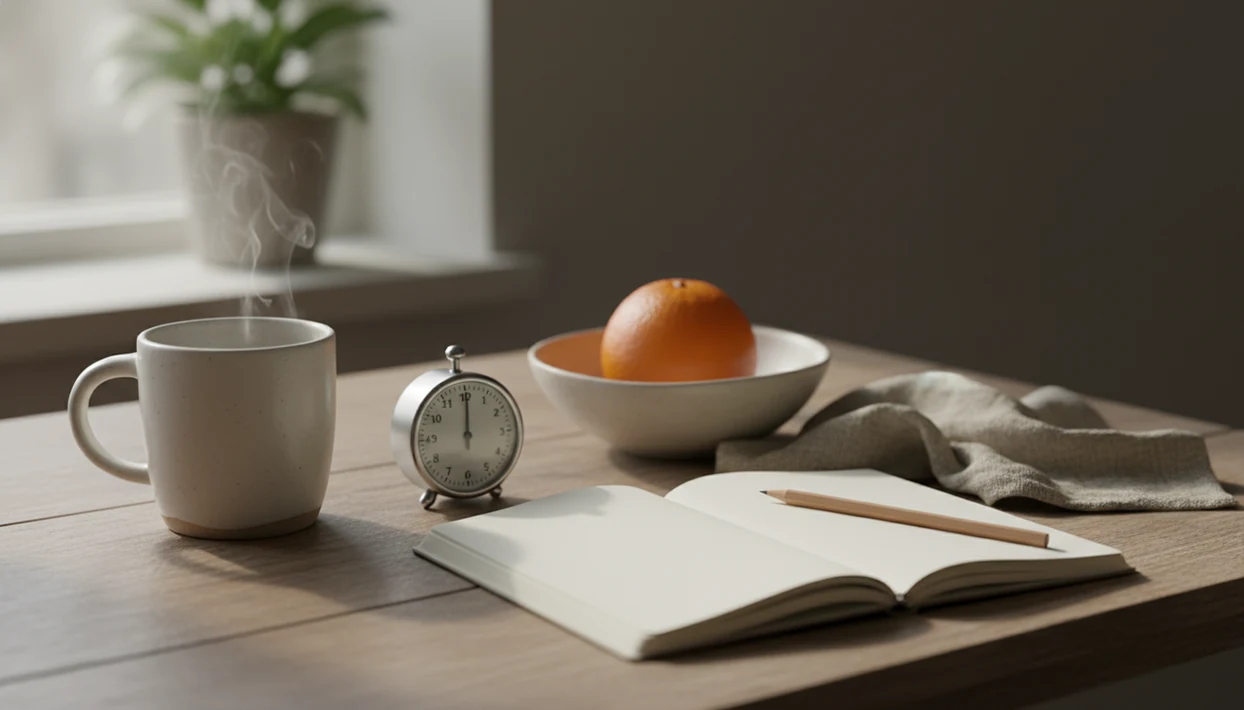
To learn how to be more grateful, start with small daily practices that help you notice, name, and take in what is already supportive in your life without denying what is difficult. The simplest routine is a brief pause, three specific appreciations, and one action that expresses thanks.
Definition: Being more grateful means training attention to recognize genuine sources of support, benefit, beauty, or meaning while staying honest about hardship.
TL;DR
- Gratitude works best as a repeatable habit, not a forced mood.
- Mindfulness makes gratitude more embodied by connecting appreciation to breath, senses, body, and daily moments.
- Gratitude can support wellbeing, but it is not a cure-all and should never be used to excuse harm or suppress grief.
How to be more grateful in one simple daily routine
How to be more grateful starts with noticing one real thing, naming why it matters, and letting the feeling register for a few breaths. You do not need a dramatic life change or a beautiful journal to begin.
Try this 3-minute routine today: pause, breathe naturally, name three specific things you appreciate, then choose one thank-you action. That action might be a text, a journal line, or washing a cup someone else left near the sink.
Specific beats vague. “I’m grateful for my friend Maya checking in after the meeting” usually lands better than “I’m grateful for my friends.”
A kitchen timer beside a mug is enough.
Gratitude is not pretending life is perfect. It is practicing attention so the hard parts are not the only parts your mind records.
Gratitude practice effects on the mind and body
Gratitude works by training attention: you repeatedly notice benefits, helpers, resources, and meaningful moments that the mind often skips. The mind has a negativity bias, which means threats and problems can feel louder than ordinary support.
Mindfulness adds the “take it in” part. Present-moment attention, non-judgment, breath, senses, and savoring help gratitude move from a thought into lived experience. You might feel your cold hands soften a little after an exhale when you remember someone saved you a seat at study group, not just write “friends” as a vague category.
Research is promising, but not magical. A 2013 meta-analysis of 64 randomized trials found positive psychological interventions, including gratitude exercises, had small to moderate effects on wellbeing and depressive symptoms J.Cpr.2012.12.002. A Clinical Psychology Review paper also linked gratitude with wellbeing while noting that stronger causal evidence is still needed J.Cpr.2010.03.005.
Good mindfulness practices and meditation techniques for beginners and daily life build attention and steadiness, not instant happiness or a way around real problems.
5-step gratitude routine for daily practice
A daily gratitude routine works best when it is short enough to repeat on tired days. For most beginners, five minutes is more useful than a long practice that happens once.
- Set a tiny daily cue. Practice after brushing your teeth, before sleep, or after you place your phone on the charger.
- Notice one concrete thing through the senses. Feel warm socks, hear rain on a window, or see light across the wall.
- Name why it matters in one sentence. Try, “This matters because it helped me feel safe for a minute.”
- Let the body feel it for three slow breaths. Notice the chest movement beneath a shirt or the belly softening.
- Express it through a message, journal line, or small act. Send thanks, write one line, or return a favor quietly.
For beginners, a short daily cue is often easier than a weekly catch-up because it reduces the decision-making needed to practice. If you want a fuller structure, a daily gratitude routine can help you keep it simple.
Five gratitude tips that actually stick
Small gratitude habits stick when they are specific, repeatable, and connected to real life. These how to be more grateful tips are practical enough for the retail floor rush, a hallway you are vacuuming while perfume lingers in the air, or a short pause with a movie stub still in your coat pocket.
- Write three specific lines. Choose details over generic blessings: “the pharmacist explained the refill clearly” beats “health.”
- Send one weekly thank-you. A randomized psychotherapy study found that gratitude writing added to counseling was linked with better mental health at 4 and 12 weeks 10503307.2016.1169332.
- Try a 5-minute sensory meditation. Sit, breathe, and notice one appreciated sound, texture, color, scent, or body sensation.
- Pair gratitude with ordinary routines. Use meals, walking, commuting, or chores as prompts. The grocery line with a clenched basket counts.
- Widen the category. Include people, abilities, resources, places, timing, and small moments, not only major wins.
In a 10-week gratitude writing study, people who wrote weekly about gratitude reported more optimism than comparison groups 0022 3514.84.2.377. For writing ideas, try these gratitude journal prompts.
Best gratitude practices for 6 daily situations
The best gratitude practice depends on your energy, setting, and tolerance for reflection. Journaling is good for reflection but not ideal if writing feels like homework; thank-you letters are meaningful but may feel vulnerable; meditation is good for embodied gratitude but not for people who need concrete action first.
| Situation | Best practice | Time needed | Why it helps |
|---|---|---|---|
| Low energy | One-sentence appreciation | 30 seconds | Keeps the habit alive without effort |
| Busy morning | Three breaths before standing up | 1 minute | Starts attention before the day rushes in |
| Difficult day | Both-and reflection | 2 minutes | Names support without denying pain |
| Relationship repair | Specific thank-you text | 3 minutes | Notices effort and reduces vagueness |
| Bedtime | Three-line journal | 5 minutes | Gives the mind a quieter final focus |
| Walking or commuting | Sensory gratitude scan | 5 minutes | Links appreciation to movement and place |
For bedtime, tea steam before sleep can become a cue: warmth, quiet, and one person or resource that helped today. For a deeper embodied practice, use a short gratitude meditation.
Common gratitude practice mistakes
Common gratitude practice mistakes usually come from making the habit too vague, too forced, or too big to repeat. A better practice stays specific, honest, brief, and felt in the body.
- Choose real moments over broad labels. Instead of listing “family” or “health,” name the exact moment: your sister sent the appointment reminder, or your knees carried you up the stairs today.
- Let hard feelings stay in the room. Do not use gratitude to quiet anger, grief, fear, or a safety concern. Try, “This is painful, and I am grateful for one steady thing beside it.”
- Start smaller than your ambition. A ten-page journal can become another abandoned task. One sentence after coffee is often more durable.
- Stop comparing your practice. Someone else’s sunrise photos, marriage, income, or recovery timeline do not measure your gratitude. Work with the life you are actually living.
- Let the body register it. After naming appreciation, pause for one or two breaths. Notice warmth, softening, ease, or even a neutral steadiness before moving on.
How to be more grateful without toxic positivity scripts
Does being grateful mean ignoring what hurts? No. Authentic gratitude is both-and: you acknowledge difficulty and support at the same time.
You do not need to be grateful for abuse, loss, injustice, illness, betrayal, or any painful event. Safer wording helps. Instead of “I should be grateful,” ask, “What support is present alongside this difficulty?”
That one word matters. Alongside.
A person leaving a harmful relationship might feel grateful for a friend’s couch, a lawyer’s clear advice, or the courage to ask for help. That does not mean being grateful for the harm. Gratitude for a lesson also does not mean staying where you are unsafe.
Anger, grief, and gratitude can coexist. If gratitude feels false during a hard season, try gratitude when sad, or pause the practice and use grounding instead.
Mindful.net support for building a grateful mindfulness habit
A support tool can help if you forget to practice or prefer guided structure. Mindful.net is a mindfulness app that teaches mindfulness practices and meditation techniques for beginners and everyday life.
Guided breathing, short meditations, and daily reminders can make gratitude easier to remember, especially when your mind drifts to tomorrow’s reading assignment two breaths in. That is normal. One pattern we notice: gratitude practice works better when the return is gentle, almost like coming back to a recipe card you meant to finish reading.
Apps are optional. You can also practice with a notebook, a voice memo, or a quiet Kettle Pause while water heats and your shirt sleeve brushes your skin. Tools like Mindful.net, Calm, Headspace, and mindful.org are most useful when they make the next small practice easier, not when they turn gratitude into another task.
For a broader beginner path, gratitude for beginners keeps the steps plain and secular.
Before you start a gratitude practice
Before you start, make the practice small, safe, and honest. Gratitude should give your attention one steadier place to rest, not pressure you to feel cheerful on command.
If reflection feels awkward, that is not failure. Begin with neutral noticing and build from there.
- Choose a low-pressure moment. Practice when you are not rushing out the door, answering messages, or bracing for the next demand.
- Start with one minute. Let the timer be tiny enough that your nervous system does not argue with it. One breath and one sentence counts.
- Use plain wording. Try “I noticed this helped” or “This made today a little easier” instead of forcing “I feel so grateful.”
- Skip unsafe material. Do not practice gratitude for harm, abuse, coercion, neglect, or any situation where you need protection, distance, or support.
- Pick one cue. Attach the habit to brushing your teeth, charging your phone, closing your laptop, or setting down your keys.
A realistic starting point is the one you can repeat without turning gratitude into another performance.
Limitations
Gratitude practice is useful, but it has boundaries. A responsible how to be more grateful guide should say what this can and cannot do.
- Gratitude practices usually show modest effects. They are not a cure-all or a guaranteed mood change.
- They do not replace therapy, medication, crisis support, legal help, safe housing, or social change when those are needed.
- Some exercises may feel invalidating or triggering during trauma, severe depression, grief, or ongoing abuse.
- Forcing gratitude can become toxic positivity, especially when it pressures someone to minimize harm.
Clinicians typically recommend extra support when low mood, anxiety, trauma symptoms, or safety concerns interfere with daily life. Gratitude can sit beside care, not replace it.
Troubleshooting When It Feels Stuck
- If gratitude feels fake, make it smaller: name one neutral support, such as clean water, a steady breath, or a door that closes. Specific often works better than inspirational.
- If the practice turns into comparison, drop the phrase “at least.” Gratitude does not need to argue against disappointment to be useful.
- If you keep repeating the same three items, shift from objects to moments: one sound, one person’s effort, and one choice you made that reduced friction.
- If a short session feels too long, try one clear anchor for three breaths, then stop. The Three-Breath Reset from /5-minute-mindfulness-practice can be enough for a low-pressure start.
- If you are in a hard season, gratitude may work better as noticing support than forcing positivity. The useful question is often, “What helped me get through the next hour?”
When This Is Probably Not the Best Choice
Gratitude practice is probably not the best first move when someone is actively overwhelmed, unsafe, or trying to use appreciation to silence a real problem. In those moments, a grounding exercise, a practical conversation, or another form of support may be more appropriate. Gratitude works best when it adds context, not when it becomes a rule against feeling hurt.
Why Advice Conflicts Online
Online advice often conflicts because people use the word gratitude for different things: journaling, prayer, thank-you notes, savoring, reframing, or mindful attention. A musician after rehearsal, a parent after bedtime, and a nurse between rounds may need different versions of the same basic skill. The best practice is usually the one you will repeat tomorrow, not the one that sounds most profound today.
Signs You Should Try Another Approach
- Stop or switch if the practice makes you feel pressured to excuse someone else’s harmful behavior. Appreciation should not erase boundaries.
- Try a simpler anchor if gratitude becomes a mental debate. A steady breath, a hand on the chest, or one sound in the room may be a better next step.
- Use a different practice if the session consistently turns into self-criticism about not being grateful enough. The practice is meant to build noticing, not performance.
- Pause gratitude journaling if it keeps you stuck in analysis late at night. A shorter daytime check-in may be easier for shift workers or tired parents.
- Consider movement-based mindfulness, such as yoga, if stillness makes attention feel more agitated. Some people seem to access appreciation more easily after gentle movement.
Before You Try This
You want the lowest-effort version
Use one breath and one sentence: “Right now, I can appreciate ___.” This keeps the practice short enough to repeat without turning it into another task.
You want gratitude to affect behavior
Add one small action after noticing: send a thank-you, clean up a shared space, or give someone your full attention for a minute. Gratitude tends to stick better when it becomes visible.
You are choosing between mindfulness and yoga
Mindfulness may be easier when you need a short session in plain clothes, while yoga may fit when your body needs movement first. Neither is automatically better; the useful choice depends on energy, privacy, and time.
You lose the habit during busy days
Attach gratitude to an existing transition, such as the Before Email Pause from /mindfulness-at-work or the first sip of tea after a shift. A built-in cue reduces decision fatigue.
At-a-Glance Options
| Technique | Best for | Minutes |
|---|---|---|
| Three specific appreciations | Building a simple daily gratitude habit without overthinking | 3-5 min |
| Thank-you action | Turning gratitude into a relationship cue or repair attempt | 2-10 min |
| Breath-and-savor pause | Noticing one pleasant or supportive moment during a demanding day | 1-3 min |
A Practical Observation
We usually see beginners do better when gratitude is treated as a brief noticing practice rather than a personality test. One pattern we notice is that people often aim for big, meaningful entries and then quit when the day feels ordinary. A steadier approach is to use one clear anchor, name one specific support, and let the short session count.
Gratitude works best when it adds context, not when it becomes a rule against feeling hurt.
Why Mindful.net fits this specific need
Mindful.net is useful here because the guidance stays practical: short sessions, clear anchors, and realistic ways to repeat the habit. Readers can pair this gratitude guide with the Three-Breath Reset or workplace pause practices when they need a smaller entry point.
FAQ
How can I feel more grateful?
Feeling more grateful often follows repeated attention, not one big insight. Pause once a day, notice one specific support, name why it matters, and let yourself feel it for a few breaths.
Can gratitude be learned?
Yes, gratitude can be trained through consistent habits such as journaling, thank-you notes, mindful pauses, and savoring. It may feel awkward at first, especially if your mind is used to scanning for problems.
What should I write in a gratitude journal daily?
Write specific lines about people, senses, support, effort, timing, or small moments. For example: “I appreciated the quiet bus seat because it gave me ten minutes to breathe.”
Is gratitude toxic positivity?
Gratitude becomes toxic positivity when it denies pain or pressures you to feel happy. Authentic gratitude can acknowledge grief, anger, stress, and support at the same time.
How long does gratitude practice take to work?
Most benefits require repeated practice over weeks, not one session. Short daily or weekly routines are more realistic than expecting an immediate emotional shift.
Can gratitude help anxiety?
Gratitude may support calm, perspective, and present-moment attention for some people. It is not an anxiety treatment or a replacement for qualified care when symptoms are persistent or severe.
How do I practice gratitude?
Pause, breathe, name three specific appreciations, and express one thanks through a message, journal line, or small action. Keep it brief enough to repeat.
What blocks gratitude?
Common blocks include stress, comparison, resentment, exhaustion, trauma, grief, and vague practice. Gratitude is harder when it feels forced or disconnected from real experience.
Can gratitude improve relationships?
Sincere appreciation can support relationships by noticing effort, naming care, and reducing the sense that good actions go unseen. Thank-you notes and specific verbal thanks often work better than general praise.