
Do I Need a Mindfulness Teacher? When Guidance Helps


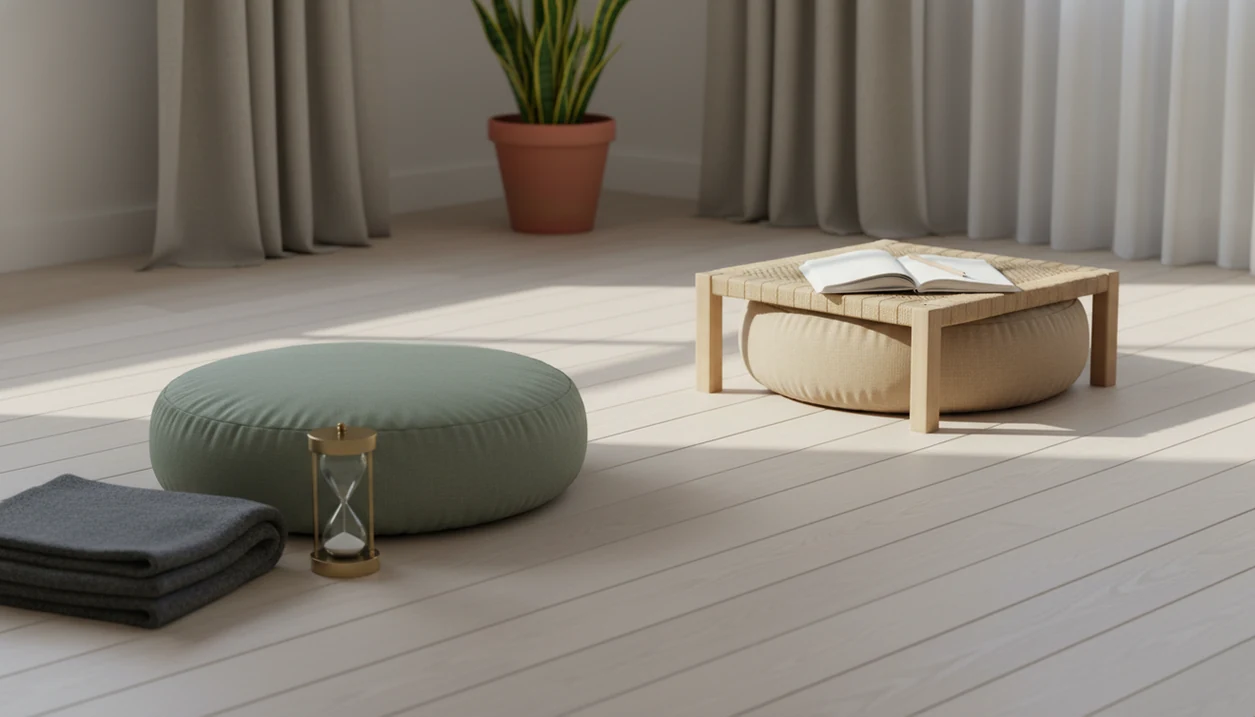
You do not need a mindfulness teacher to begin, but one can help when you need structure, personal feedback, accountability, or support with difficult experiences. Simple breathing, body scans, and daily awareness exercises can be self-guided. If your practice consists of unrelated recordings or repeated attempts that stop after a few days, a teacher-led course may give you a clearer sequence to follow.
A mindfulness teacher is a trained guide who teaches attention, awareness, and meditation practices in a structured, secular way, not a therapist or spiritual authority. Look for transparent training, a clear curriculum, plain explanations, and permission to adjust or stop a practice. The useful question is what support you need, not whether meditation requires an expert.
Definition: A mindfulness teacher is a trained guide who teaches attention, awareness, and meditation practices in a structured, secular way without acting as a therapist or spiritual authority.
Quick answer
- You do not need a teacher for every mindfulness practice; simple breathing, body scan, and daily awareness exercises can be self-guided.
- A teacher is worth considering if you want structure, personal feedback, a course format, or help staying consistent.
- Choose a teacher by looking for training, clear curriculum, trauma-aware pacing, plain language, and honest limits.
When self-guided practice is enough
Do I need a mindfulness teacher? Not always. Many beginners can learn basic secular mindfulness on their own with a short breathing practice, a body scan, or a daily awareness cue, such as pausing during a retail floor rush to feel heavy legs and hear the air conditioner hum before taking the next step.
A teacher becomes more useful when practice feels scattered. That may mean you keep quitting after two days, feel unsure whether you are “doing it right,” or notice strong emotions during silence. A teacher can offer structure, feedback, accountability, and calmer pacing.
For basic self-guided practice, tools like Mindful.net can support beginners with plain-language exercises and short guided sessions. It is not a replacement for a skilled human teacher, but it can help you start small before deciding whether live instruction is worth it.
Five differences a teacher can make for beginners
The deciding factor is not whether mindfulness is 'serious enough' for a teacher. It is whether you need feedback, pacing, or accountability that a recording or app cannot provide.
- Basic mindfulness can be self-taught. You can practice noticing breath, sound, posture, or the feeling of a phone buzz without grabbing it right away.
- Teachers add structure. A good teacher gives pacing, correction, encouragement, and accountability when your attention keeps wandering.
- Strong courses follow a curriculum. Many are built like an 8-week course, with skills introduced gradually instead of random weekly meditations.
- Questions matter. A teacher should help connect practice to ordinary moments, such as a tense meeting or a grocery-list thought during sitting practice.
- Emotions may surface. Restlessness, sadness, anger, or numbness can appear during practice. For some people, grounding support is more useful than pushing through.
For beginners, a teacher is often easier than self-guided practice when confusion or avoidance keeps interrupting the habit.
How a Mindfulness Teacher Works During Practice
A mindfulness teacher works by combining instruction, observation, inquiry, reflection, and gradual skill-building. They do more than offer a soothing script; they help students notice what is actually happening and come back without turning practice into a test they have to pass.
In a live class, the teacher may guide attention to the breath, then ask what students noticed. They might normalize wandering attention, suggest a shorter practice, or use sound as an anchor, like the faint clang of gym locker metal down the hall.
For example, if you say your fingers start tingling during breath practice, a careful teacher might shift you to sounds in the room, open-eye practice, or a grounded exercise such as a Parking Lot Pause with a parking ticket stub in your hand, instead of telling you to push through.
Mindfulness teaching is educational, not diagnosis or treatment. A teacher can explain attention training and habit loops, meaning the repeated patterns that pull the mind away.
Evidence for structured programs, not every teacher
Research supports structured mindfulness programs for some outcomes, but it does not prove that every individual teacher improves results. The evidence is strongest when mindfulness is taught as a defined program with repeated practice, clear methods, and measured outcomes.
Per the CDC, 14.5% of U.S. adults had ever practiced meditation, and 7.0% had practiced in the past 12 months, based on 2017 data CDC guidance. An NIH-supported review found small to moderate improvements in anxiety, depression, and pain compared with usual care NCCIH overview.
A meta-analysis of 47 trials with 3,515 participants also found modest benefits for anxiety, depression, and pain JAMA study. That supports careful interest, not hype. Mindfulness practices and meditation techniques for beginners and daily life can build attention and steadier awareness, not guarantee emotional healing or replace care.
Ask how the teacher handles distress before joining
Safety is part of teacher selection, not just a concern for experienced meditators. A 2020 systematic review of meditation-related adverse events included 83 studies and 6,703 participants, with a pooled prevalence of 8.3%. Estimates differed substantially by study design and reporting method, so that figure is not your personal risk. Anxiety and depression were among the most frequently reported effects.
Before enrolling, ask what happens if practice brings up distressing memories, disrupts sleep, or leaves you feeling disconnected. Clinical guidance on mindfulness-program safety supports explaining possible adverse effects, checking for deterioration, and arranging clinical referrals when needed. A teacher should explain your options to shorten, modify, or stop practice without penalty. Persistent symptoms or difficulty functioning call for licensed mental-health support, not simply more meditation.
Self-Guided Mindfulness vs Teacher-Led Course vs Mindfulness Coaching
Self-guided mindfulness, teacher-led courses, and coaching are often mixed together, but they serve different needs. The main difference is how much structure, feedback, and personal direction you receive. Understanding the differences between mindfulness and meditation can help you decide what kind of instruction you need.
Common self-guided options include meditation apps, books, and recorded practices; teacher-led options include local mindfulness classes, MBSR-style courses, and live online groups.
| Path | Best fit | Structure | Feedback | Caution |
|---|---|---|---|---|
| Self-guided practice | Curious beginners with simple goals | Low | Low | Easy to drift or skip |
| Teacher-led course | Learners who want a curriculum | Medium to high | Medium | Quality varies |
| Mindfulness coaching | People linking practice to goals | Medium | Medium to high | May become too goal-focused |
Coaching is often goal-oriented, such as managing work habits or consistency. Teaching is usually practice-oriented, with attention skills as the center. None of these replace mental health care.
For self-guided basics, Mindful.net can sit alongside books, local classes, or a mindful living guide while you compare your options.
How to Choose a Mindfulness Teacher: Step-by-Step Tips
Choosing a mindfulness teacher is easier when you check practical details before committing. Use the first class as a test, not a contract.
- Check training and background. Look for transparent education, supervised teaching, or experience with a recognized mindfulness curriculum.
- Review the curriculum. Ask whether the course follows a clear sequence, such as breath awareness, body scan, movement, and daily practice.
- Ask about difficult emotions. A responsible teacher can explain grounding, choice, and when to pause or seek clinical support.
- Notice the language. Choose plain explanations over vague inspiration or promises that mindfulness will fix everything.
- Try one class first. A short course or single session can show whether the teacher’s pace fits your nervous system.
A self-guided recording may be enough on some days, especially if the practice is simple and you know how to adjust it. A live teacher becomes more useful when questions keep stacking up, like recipe cards you cannot quite sort into the right order.
Bring a clear aim and specific questions to class
Use a mindfulness teacher as a guide for practice, not as someone who does the work for you. The best results usually come from bringing one clear aim, practicing between meetings, and speaking up when something feels confusing or too intense.
- Set one practical intention before you begin. Choose something ordinary, such as sitting for five minutes after coffee, noticing tension before meetings, or becoming less reactive with your phone.
- Ask one specific question when practice gets unclear. Instead of saying “I’m bad at this,” ask about sleepiness, tightness in the chest, racing thoughts, boredom, or what to do when attention keeps jumping.
- Practice the assigned method between sessions. If the teacher gives breath awareness, a body scan, or open-eye grounding, repeat that method rather than switching every day.
- Track small changes honestly. Notice attention, avoidance, mood, and consistency. A simple note like “three minutes, restless, stayed with feet” is enough.
- Pause if practice feels destabilizing. If meditation brings panic, dissociation, unsafe feelings, or worsening symptoms, stop the exercise and seek qualified clinical support.
When to choose a teacher and when to seek clinical care
A mindfulness teacher is a good fit when you need structure, accountability, and safe pacing. It is a poor fit when the problem needs clinical care, crisis support, or a different kind of professional help.
Best for
✅ Beginners who want structure. A teacher can turn scattered interest into a weekly rhythm.
✅ People who feel lost in meditation. Live feedback helps when you keep wondering whether distraction means failure.
✅ Inconsistent practitioners. A class time, group, and assigned practice can make follow-through easier.
Not for
❌ Simple daily awareness that already works. If a three-minute breathing pause before opening your laptop helps, you may not need more.
❌ Severe trauma, depression, dissociation, or crisis symptoms. Seek qualified clinical support if practice feels unsafe or destabilizing. Related emotional patterns are discussed in our guide to the dangers of suppressing emotions.
Mindfulness Teacher Quality Signals to Check First
- Transparent training. A credible teacher can name their background without making it sound mysterious.
- Clear curriculum. Look for a sequence of practices, not only mood-setting talks or inspirational themes.
- Plain language. Good teaching explains attention, body awareness, and “notice and return” in everyday words.
- Question handling. The teacher should welcome confusion, including practical questions about posture, sleepiness, or boredom.
- Trauma-aware pacing. Students should be allowed to open their eyes, change posture, shorten practice, or stop.
- No exaggerated claims. Be cautious with anyone promising to heal every condition through meditation.
During a body scan, simple cues matter: jaw unclenching behind closed lips, shoulders dropping, palms resting. The full what is mindfulness definition can also help you judge whether a teacher is being clear.
Mindfulness teacher limits
- A teacher is optional for basic mindfulness, and teacher quality varies, sometimes involving vague or overly forceful guidance.
- A mindfulness teacher is not a therapist and should not diagnose, treat, or manage mental health conditions.
- Mindfulness is not a substitute for therapy, medical care, medication, or crisis support.
- If mindfulness practice makes you feel unsafe, stop and seek professional support.
Questions about choosing a mindfulness teacher
Can I learn mindfulness without a teacher?
Yes. Basic practices such as noticing your breath, listening to sounds, or doing a short body scan can be self-guided. A recording can provide instructions, but it cannot respond to your questions. Consider a teacher if you need feedback, a clear sequence of lessons, or help adjusting practice.
How do I know when I need a mindfulness teacher?
A teacher may help if you repeatedly stop practicing, feel unsure about the instructions, or want a structured course rather than separate recordings. Strong emotions during practice are another reason to seek support. If symptoms persist or interfere with daily functioning, seek licensed mental-health care rather than relying on a teacher alone.
What qualifications should a mindfulness teacher have?
Look for formal training in the approach they teach, supervised teaching experience, and clear ethical procedures. Ask how they respond to distress and when they refer students to clinicians. A responsible teacher explains their limits, welcomes questions, and does not promise treatment results or recommend changes to medication.
Do beginners need an eight-week mindfulness course?
No. You can begin with simple self-guided practices without committing to a full course. An eight-week format can be useful if you want skills introduced gradually, regular classes, and practice between sessions. Choose based on the structure and feedback you need, not the assumption that a longer course is required.
Are guided meditation recordings enough for beginners?
Recordings can be enough for learning basic instructions and following a short practice. Their main limitation is that they cannot ask what happened or adapt to your response. If instructions remain confusing or practice becomes distressing, live guidance may help. Ongoing or severe symptoms need clinical support.
Is a mindfulness teacher the same as a therapist?
No. A mindfulness teacher provides practice instruction and feedback; that role does not include diagnosing or treating mental-health conditions. Someone may hold both qualifications, but the roles should be clear. Mindfulness teaching is not a substitute for psychotherapy, medical care, medication, or crisis support.